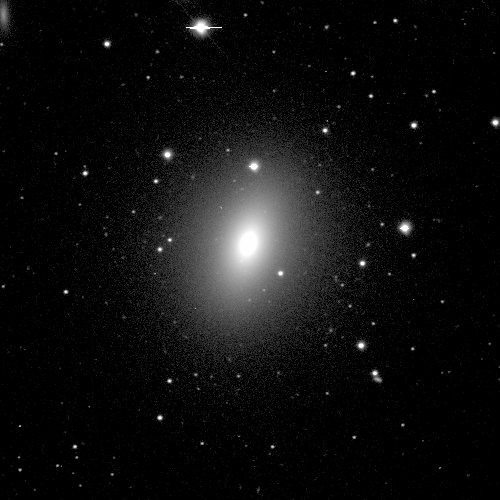
The Schmidt is a unique telescope for several reasons, one of
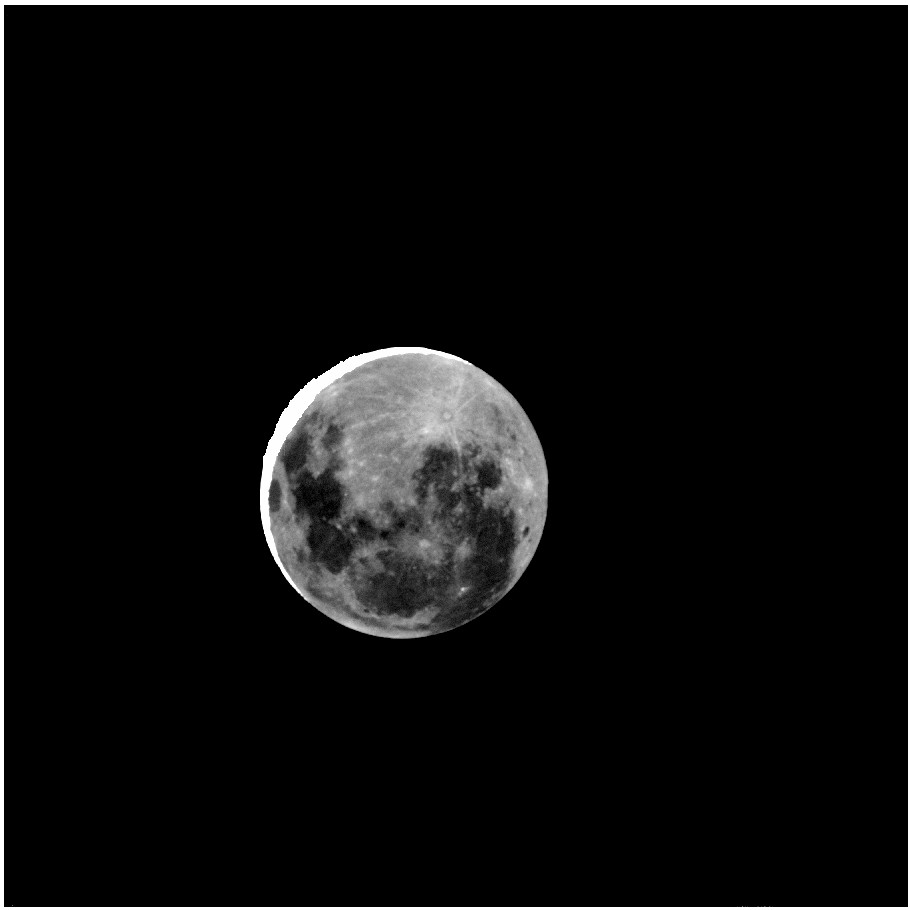
which is its enormous field of view. The image of the moon below
displays the entire field of view of the Schmidt. The pixel scale of
this image is over 6 arcsec/pixel, whereas most of the galaxies I
show have pixel scales of 1.5 arcsec/pixel - in other words, those
images are "zoomed in" by over a factor of 4 from this image.
This image is actually of a crescent moon (only 1 day past new, 3%
illuminated). The bright white part on the upper left is the crescent
normally visible to the naked eye, which is reflecting direct
sunlight, and is far too bright for a large telescope like
the Schmidt. The rest of the moon, however, is the "dark" part of the
moon. It is illuminated through "Earthshine", which
is sunlight that first reflects off the Earth, up to the Moon, and
then back to us. If you look closely at a crescent moon, you can
often see this with the naked eye. Anyway, that is the only way we
can take an image of the Moon with the Schmidt.
NGC1300
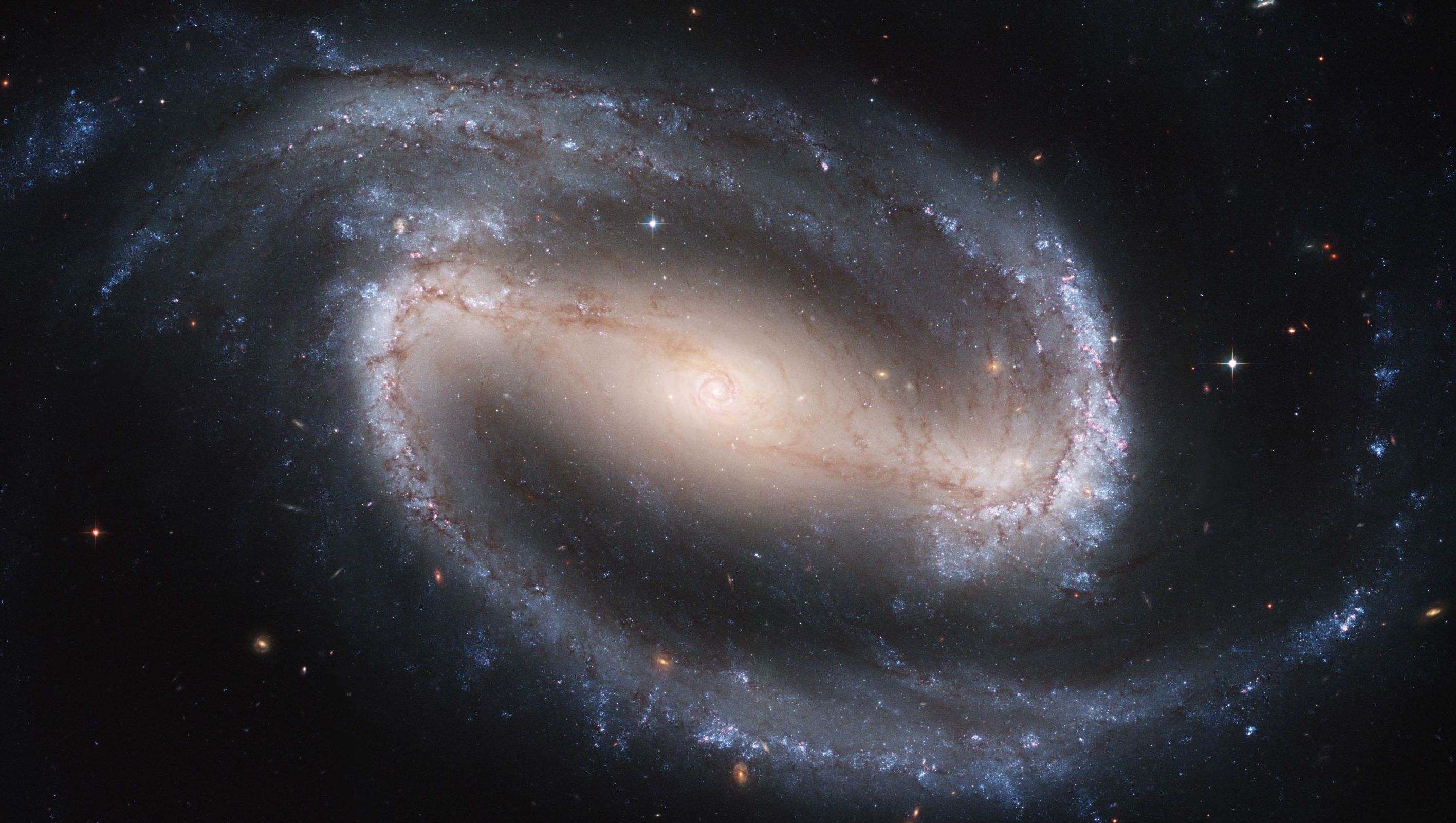
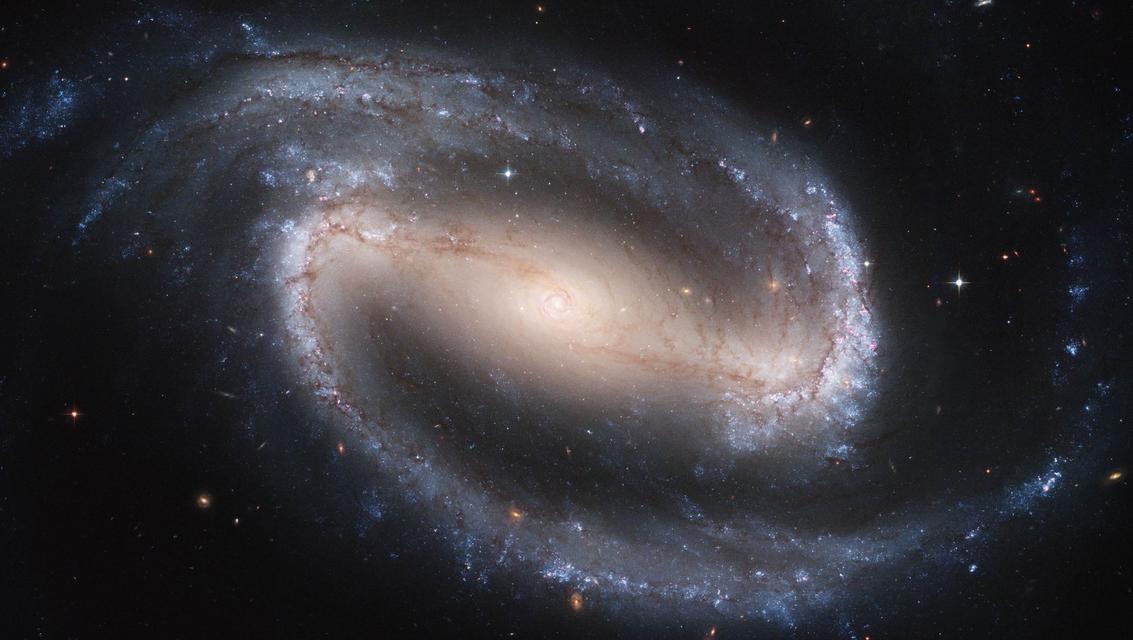
The first image below is one of my favorite images from the Hubble
Space Telescope, the galaxy NGC1300. HST is probably the world's most
famous telescope, and that's because it is great at taking very
detailed images of small objects. The Schmidt, on the other hand, is
just the opposite - we are great at taking very wide images of large
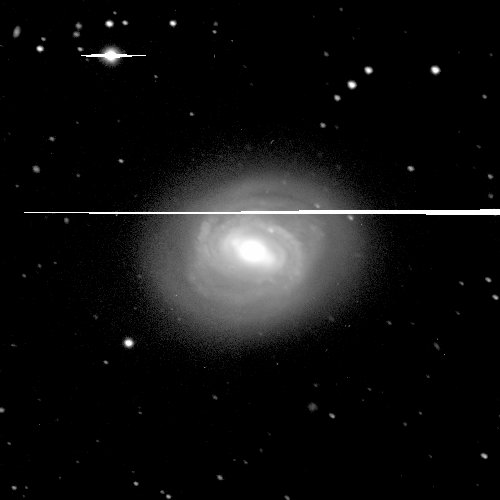
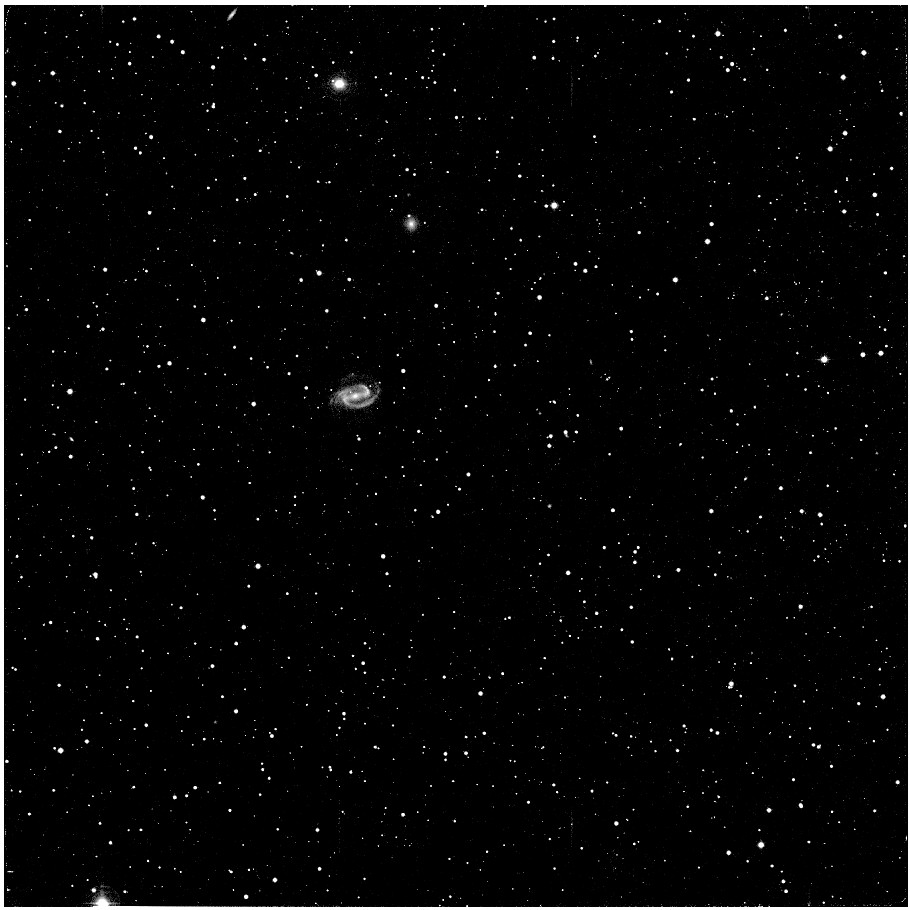
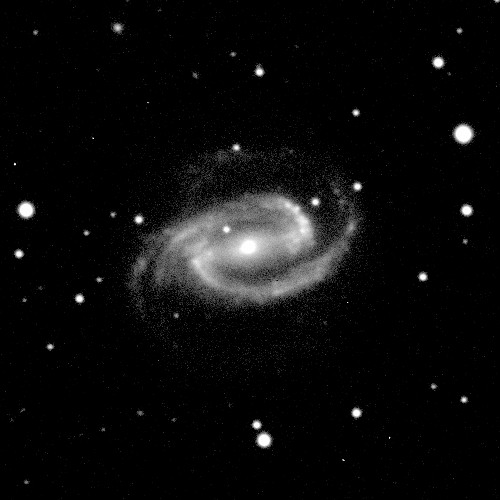
objects. I have included here two version of the same image from the
Schmidt of the same galaxy - the first shows the galaxy in the
Schmidt's full field of view (on the same scale as the Moon image
above) and the second is a zoomed in version, on the same pixel scale
on which I show most of my galaxy images (1.5 arcsec/pixel). As you
can see, there is absolutely no comparison in the amount of detail HST
can get, as compared to the Schmidt.
NGC1300 - HST (click for even higher resolution image!)
NGC1300 - The Burrell Schmidt's full field of view
NGC1300 - Zoomed in with the Schmidt
Virgo Cluster Core
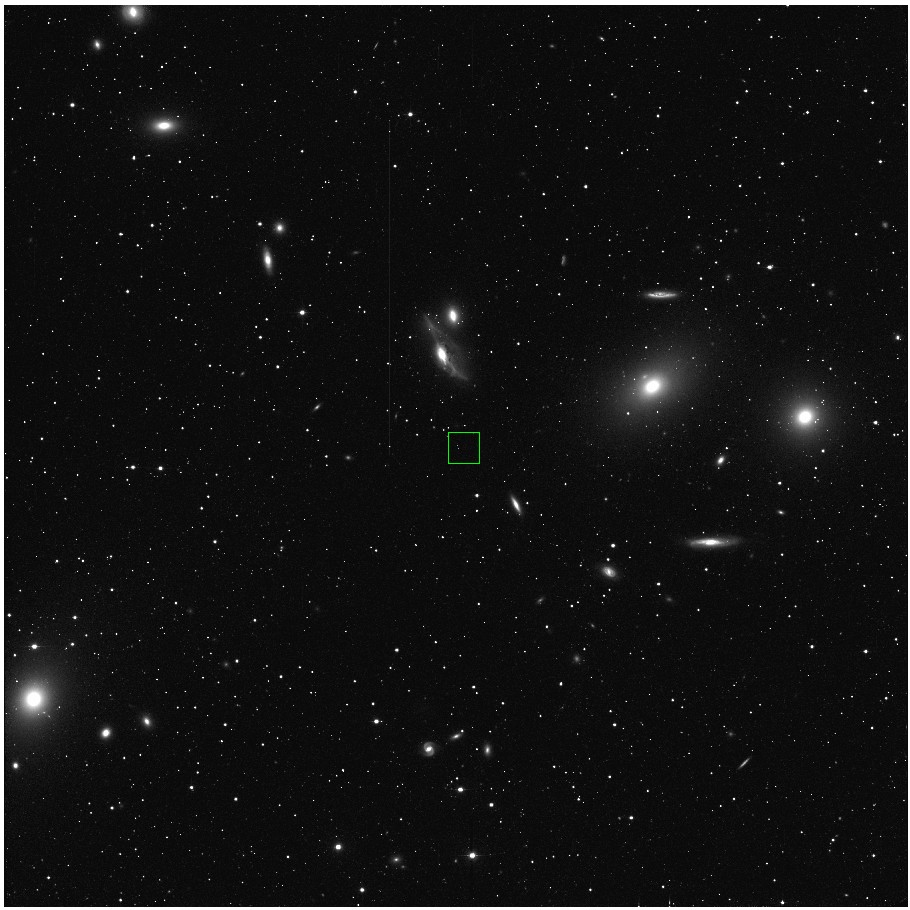
However, if you want to take an image of something large - say the
core of the Virgo Galaxy Cluster - the Schmidt, with it's enormous
field of view, is the telescope to use. The image below shows the
full field of view of the schmidt in the Virgo Cluster core, while the
green box outlines HST's field of view.
BVR Images
To get these images, I took images in three
different filters (rVB, or red, green, blue) and stacked them to get
pseudo-color images. I wouldn't exactly call these "real" colors, in
that this is what they would look like if you actuall saw them with
your eye, but it is an approximation to that and the standard way in
which color images of astronomical objects are made. I forgot
to rotate these properly, so North is right and East is up.
M31,M32,M110
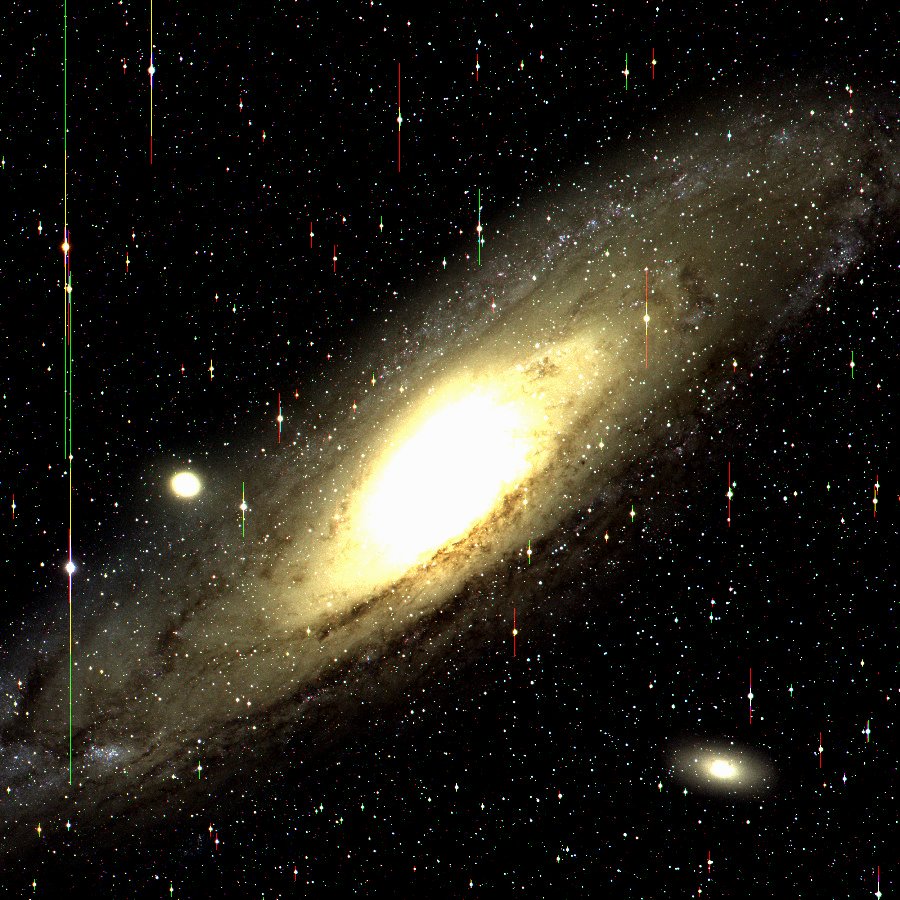
The enormous galaxy which takes up the whole image, or over 2
sq. degrees on the sky, is M31, the Andromeda Galaxy. It's sort of
the Milky Way's big brother, and our nearest neighbor of any
significance. The dwarf galaxy to the left is M32, and to the lower
right is M110. Both are companions to M31.
M33
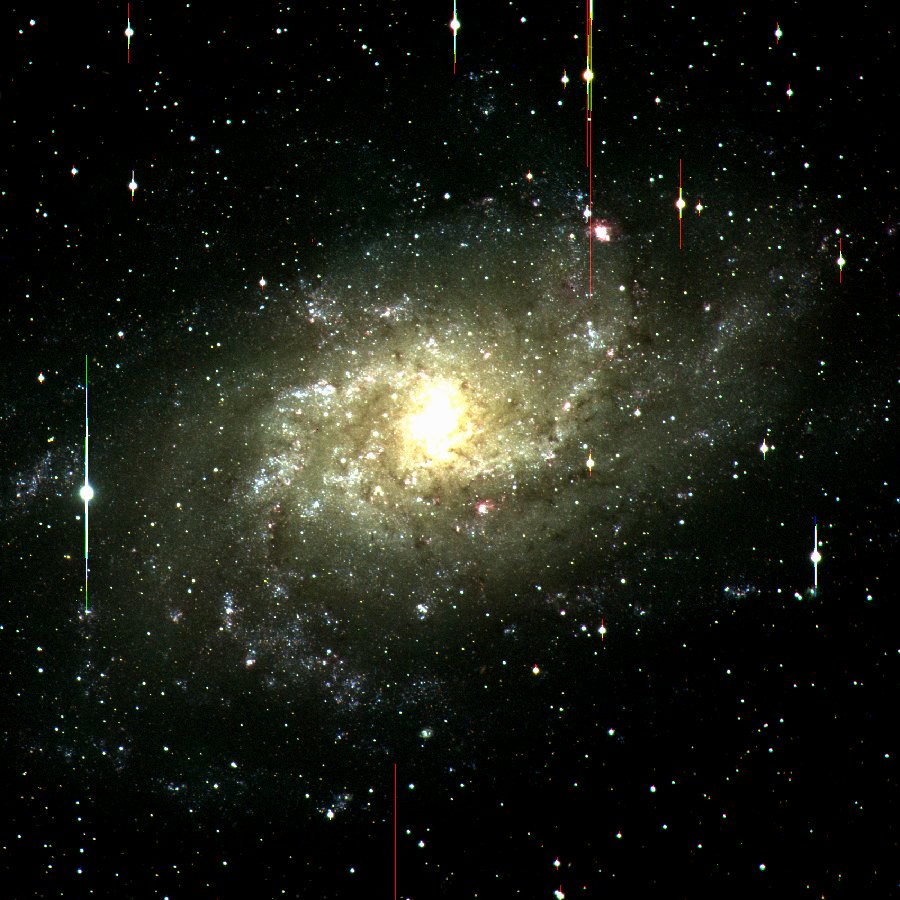
This is M33, also a member of the Local Group, sort of the Milky Way's
little brother. It's a brilliant little spiral, and this image is
over half a degree on a side.
Extended Nebulae
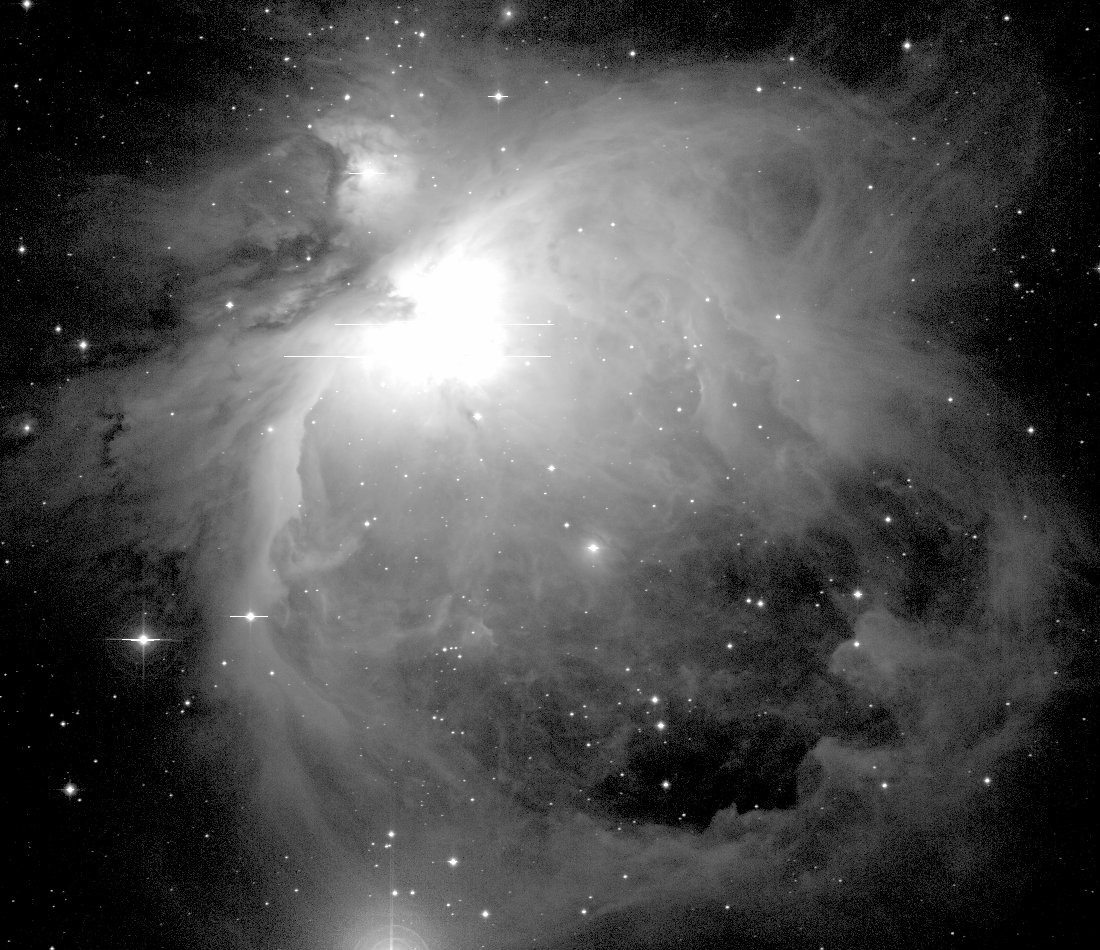
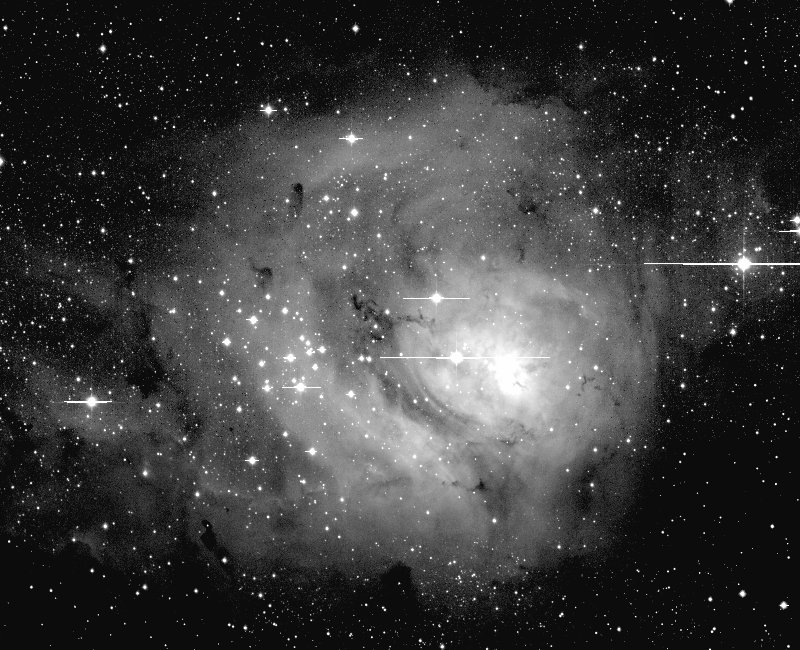
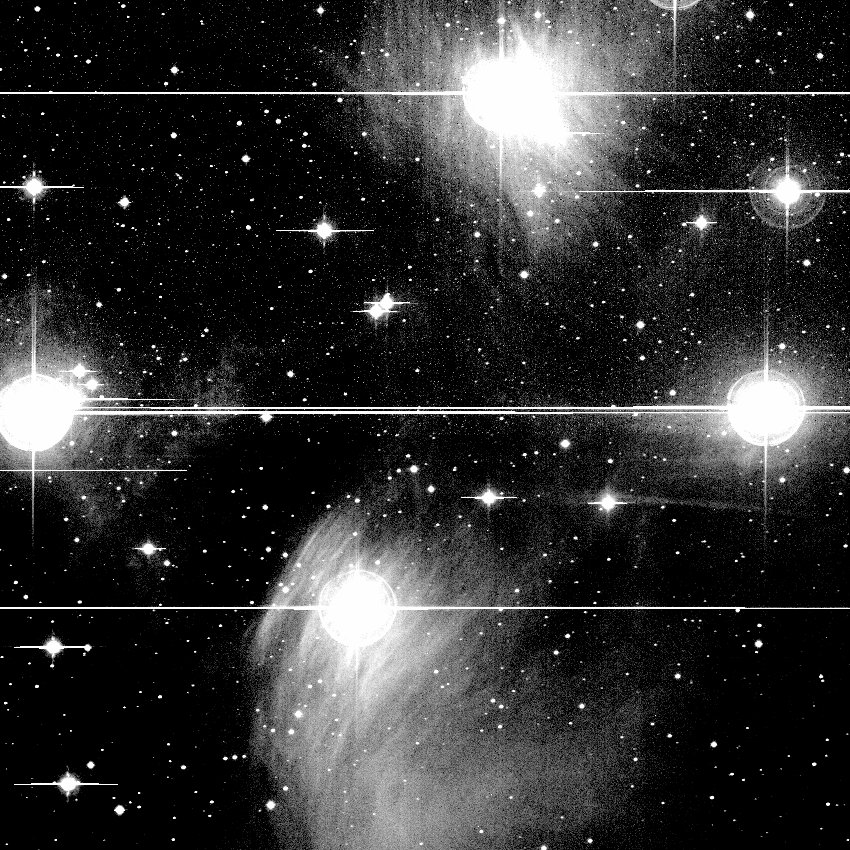
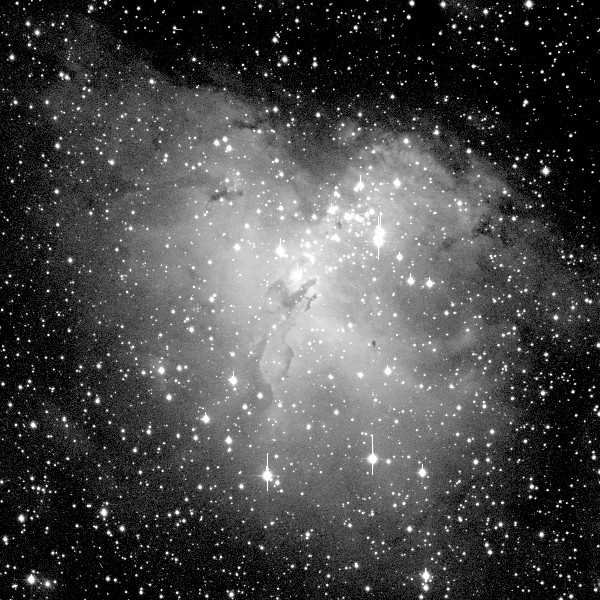
These are huge extended emission nebulae, which are glowing clouds
of gas nearby in our galaxy, generally areas where stars are being
formed. I think these are all Washington M (basically V) filter;
pixel scale of 3 arcsec/pixel,
The Great Orion Nebula, M42 and M43
The Lagoon Nebula, M8
The Pleiades, M45
M16, The Eagle Nebula; home of the famous Hubble "Pillars of Creation"
image.
|
M20, The Trifid Nebula
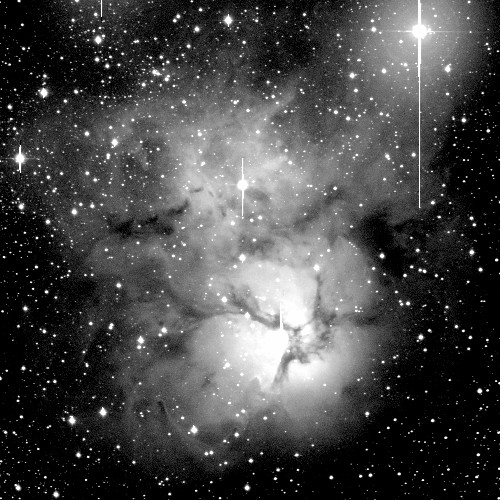
|
M78
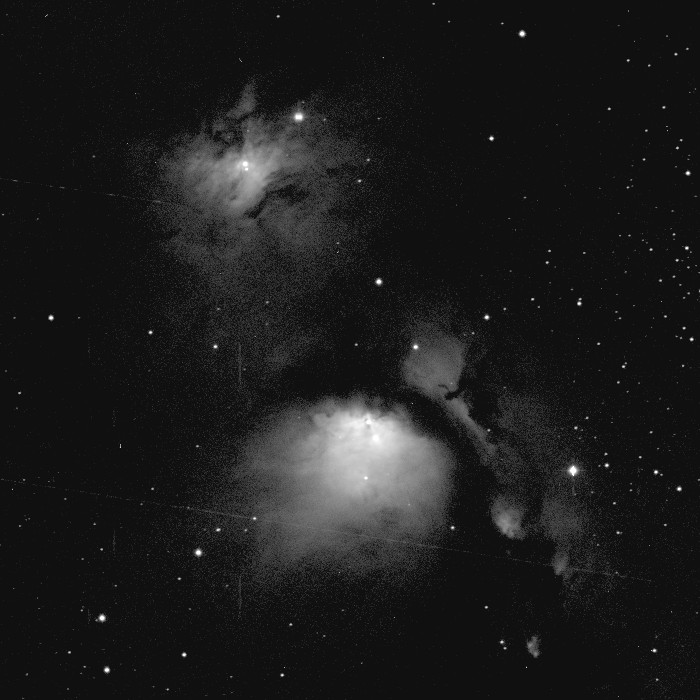
|
NGC1931
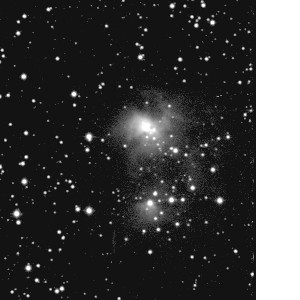
|
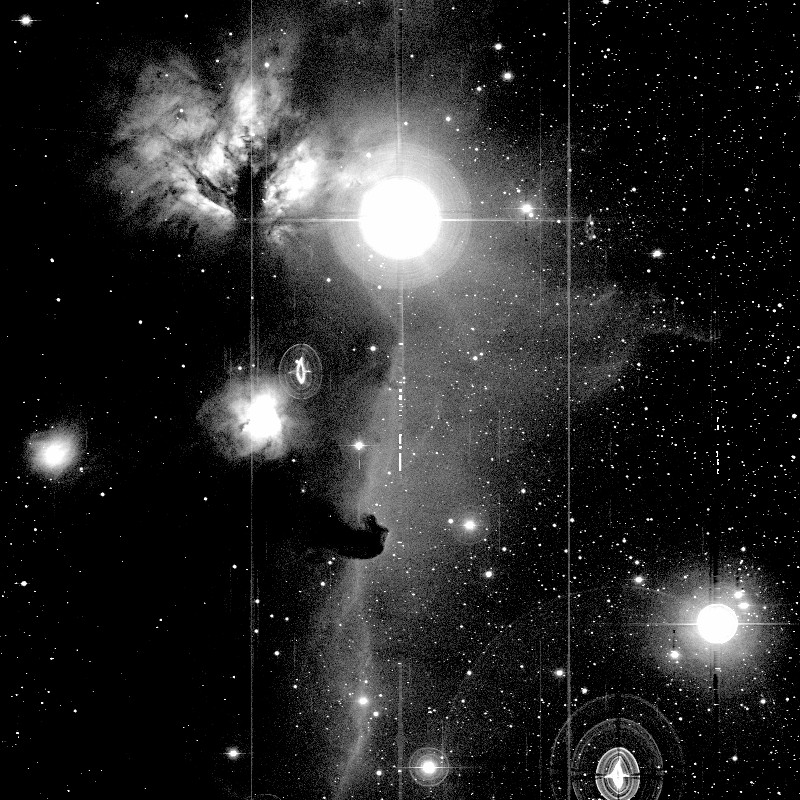
The Horsehead Nebula, IC434; The Flame Nebula, NGC2024; and NGC
2023.
had to zoom out to 6 arcsec/pixel for these enormous nebulas.
This image has several examples of the types of artifacts common in
Schmidt images, most of which have to do with the fact that the
Schmidt is just not very good at handling bright stars. There are two
obvious extremely bright stars in this image (upper center, lower
right) - they look like big white circles ringed with even more grey
circles, and they have strange horizontal and vertical lines coming
out of them. These effects are basically caused by the fact that
there is just too much light pouring into too small an area, and our
detector goes haywire - nothing to be done about that, and fairly
common on all astronomical instruments. There are various processing
techniques to deal with these, and as time has gone on I have gotten
better at removing them (this image has a lot fewer veritcal lines
than the M31/M33 images!), but there is a limit to how well it can be
done. More specific to our telescope are the "Schmidt ghosts" which
are an artifact of the telescope design - all Schmidt type telescopes
have these and they are caused by the fact that we use both a lens
and a mirror. The ghosts have a strange oblong outline shape with
several rings around them. The two obvious ghosts in this image are
slightly down and left of the two bright stars. This is just a
coincidence, because it turns out that the lower right ghost is cause
by the upper middle star and vice versa. Ghosts are extremely
difficult to remove. The last major artifact caused by bright stars
is called cross-talk, and causes the two grey vertical lines that run
down the image. This is an artifact of our electronics. In future
years I should to be able to get rid of this effect almost entirely,
but that hasn't happened yet. Finally, there is one more artifact
that can be seen in this image, although it is relatively faint here -
the almost horizontal line in the uper left that runs through the
Flame Nebula and just above the brightest star. That is a satellite.
Satellites pop up in astronomical images fairly frequently, expecially
when you have as huge a field of view as the Schmidt. They are pretty
impossible to get rid of. Anyway, I wanted to point out some of these
artifacts, because although I do my best to not show them, they will
occasionally pop up in other images on this page, and now you know
what they are.
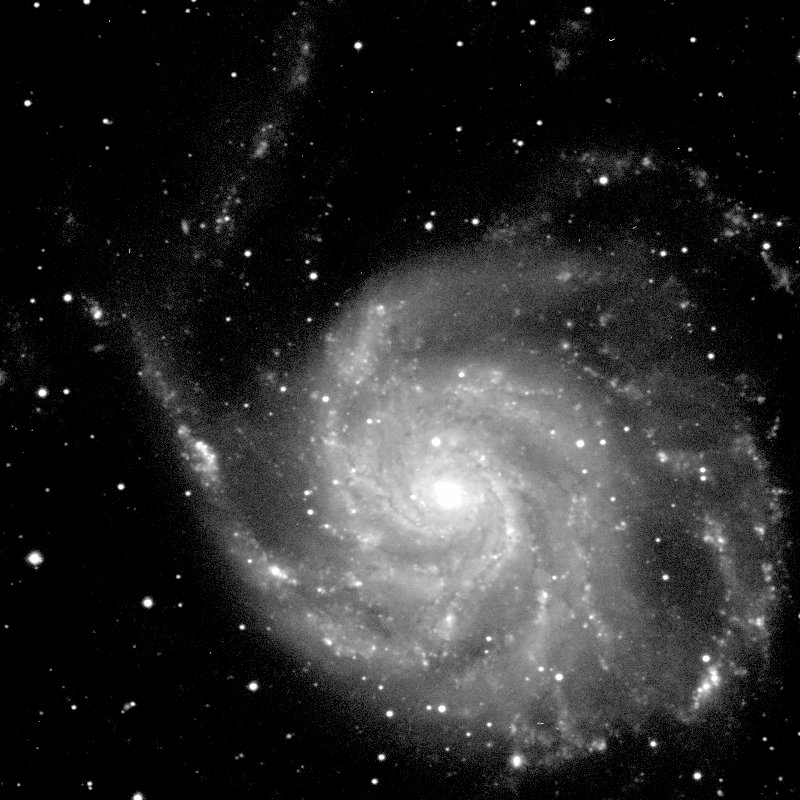
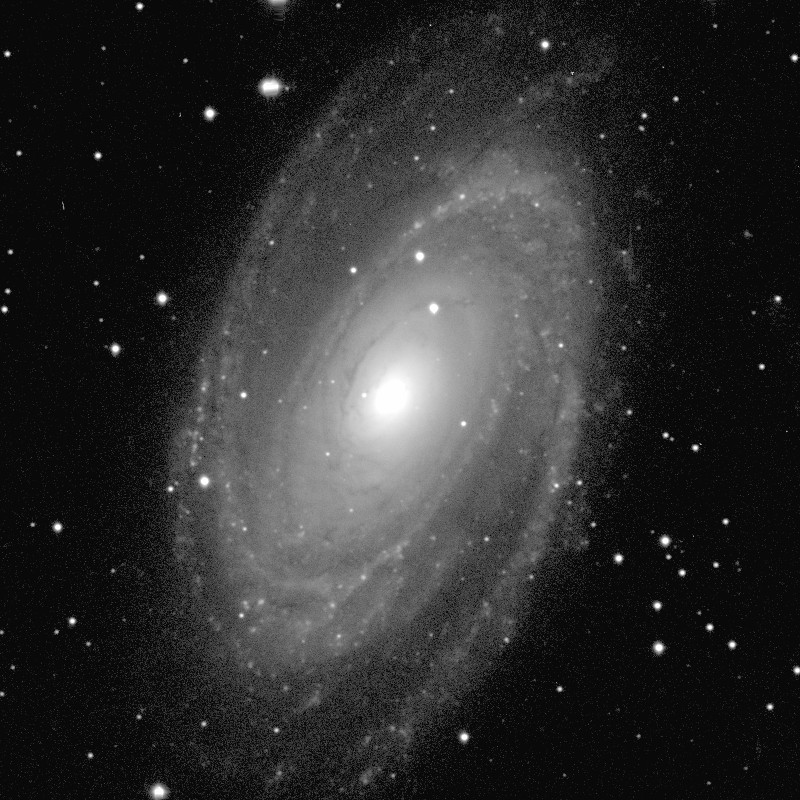
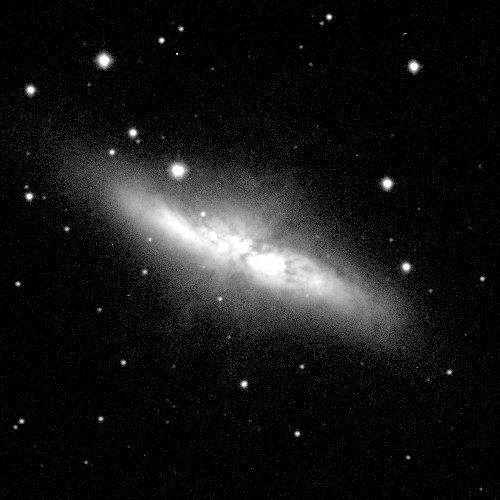
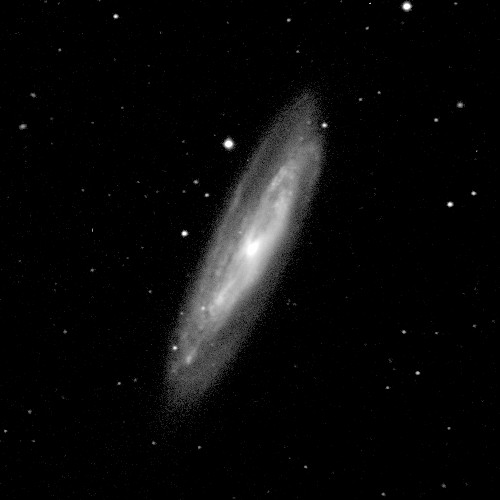
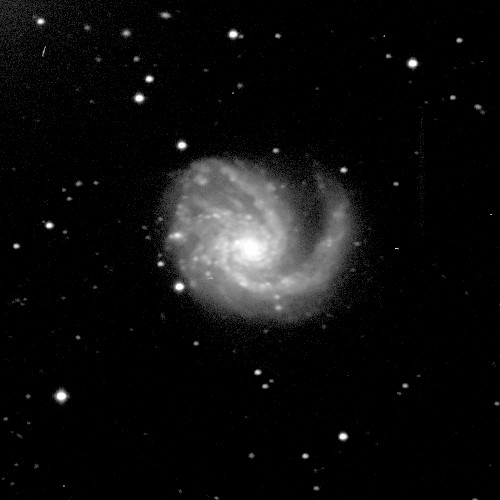
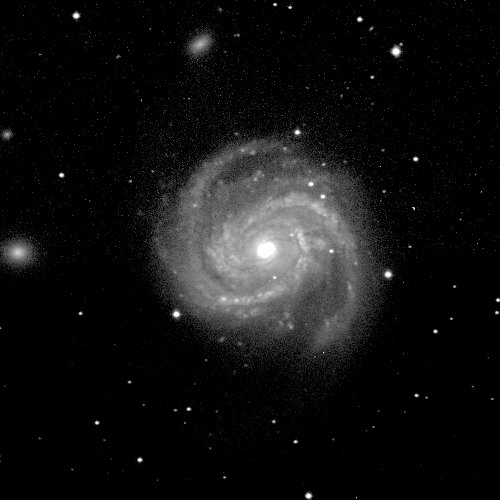
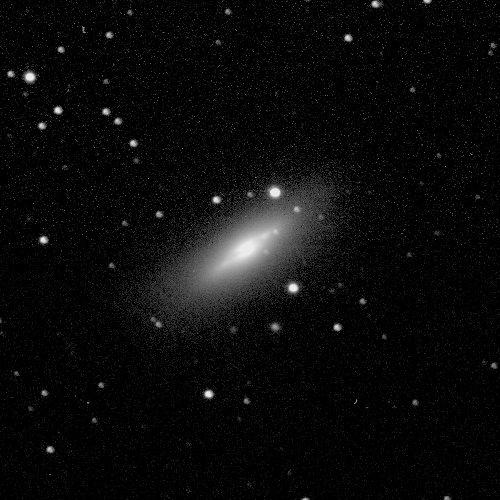
Individual Galaxies
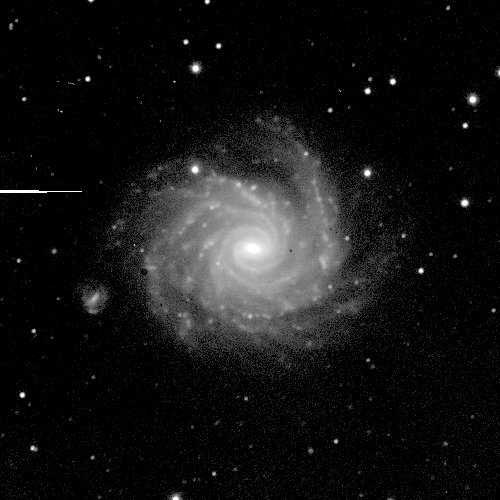
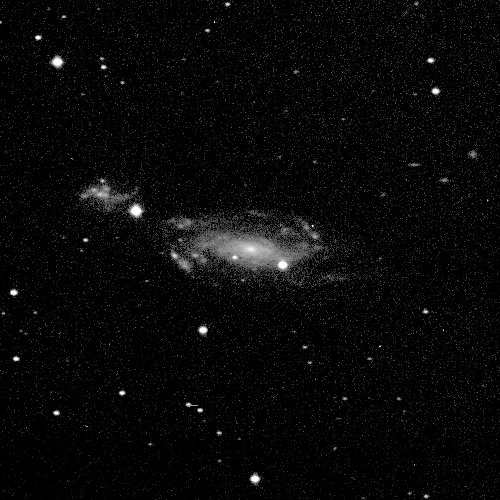
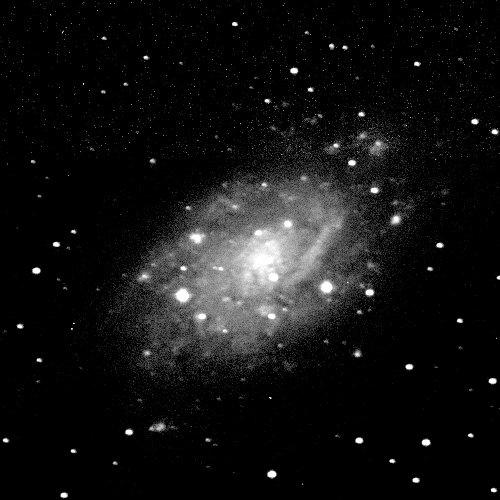
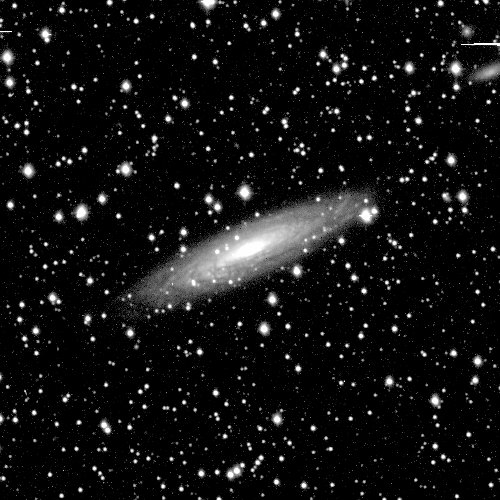
These are all images of galaxies I have taken with the Schmidt. I
find galaxies the most interesting astronomical objects, that's why I
study them and that's why I take lots of pictures of them. These
images come from several different observing runs spanning 2005-2009;
some are in the Washington M (basically V) filter, others are in B' (a
shade bluer than B) while a few are in r. All images have a pixel
scale of 1.5 arcsec/pixel.
M101, The Pinwheel Galaxy
M81, Bode's Galaxy
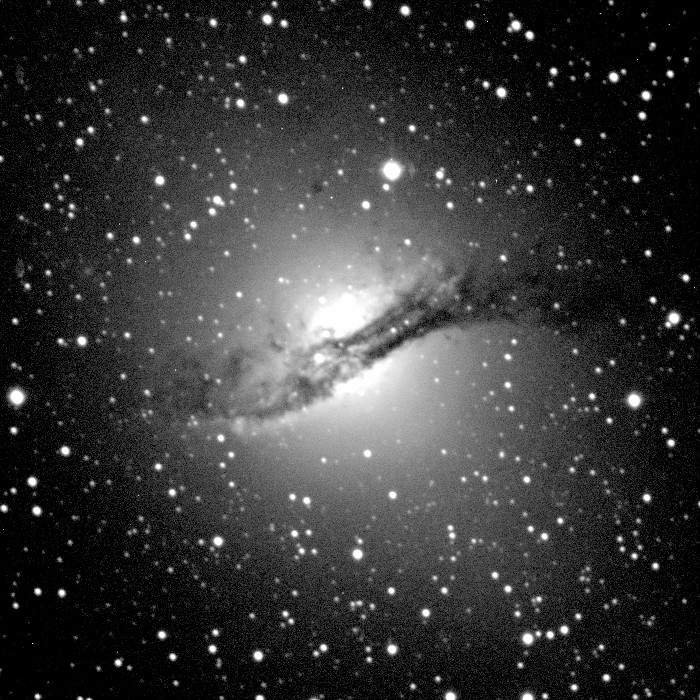
NGC5128, Centaurus A. I am particularly proud of this galaxy as
it's declination is -43, or just 14 degrees above the horizon from KPNO.
|
M82, The Cigar galaxy
|
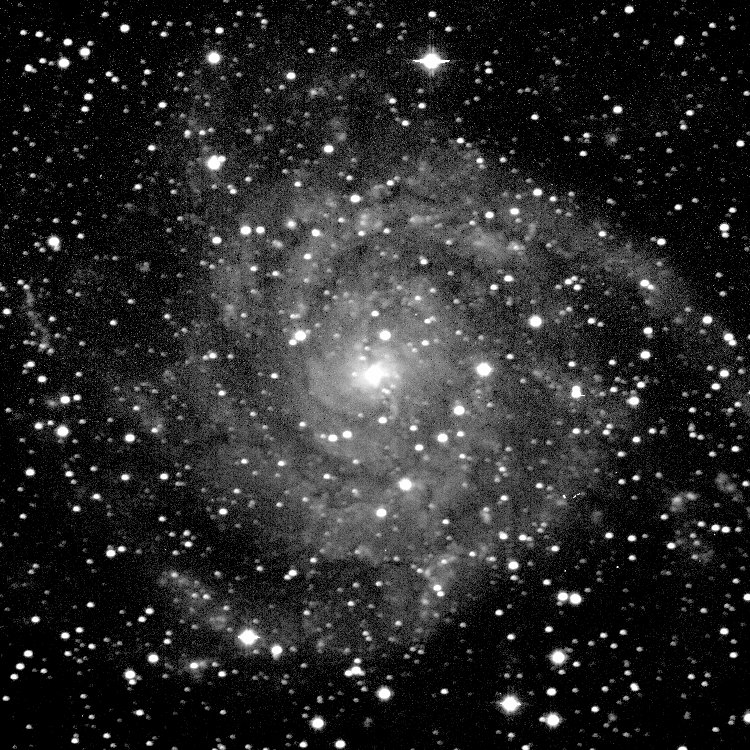
IC342
|
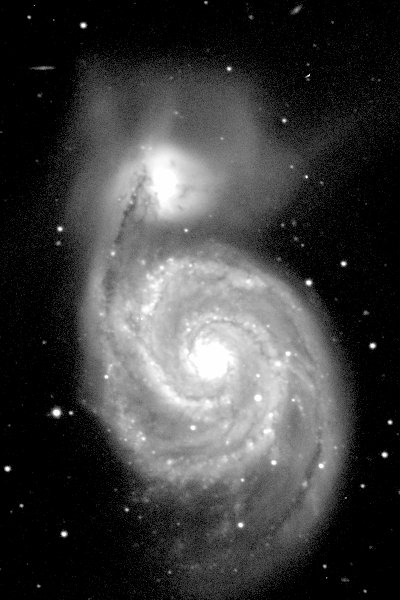
M51, The Whirlpool Galaxy
|
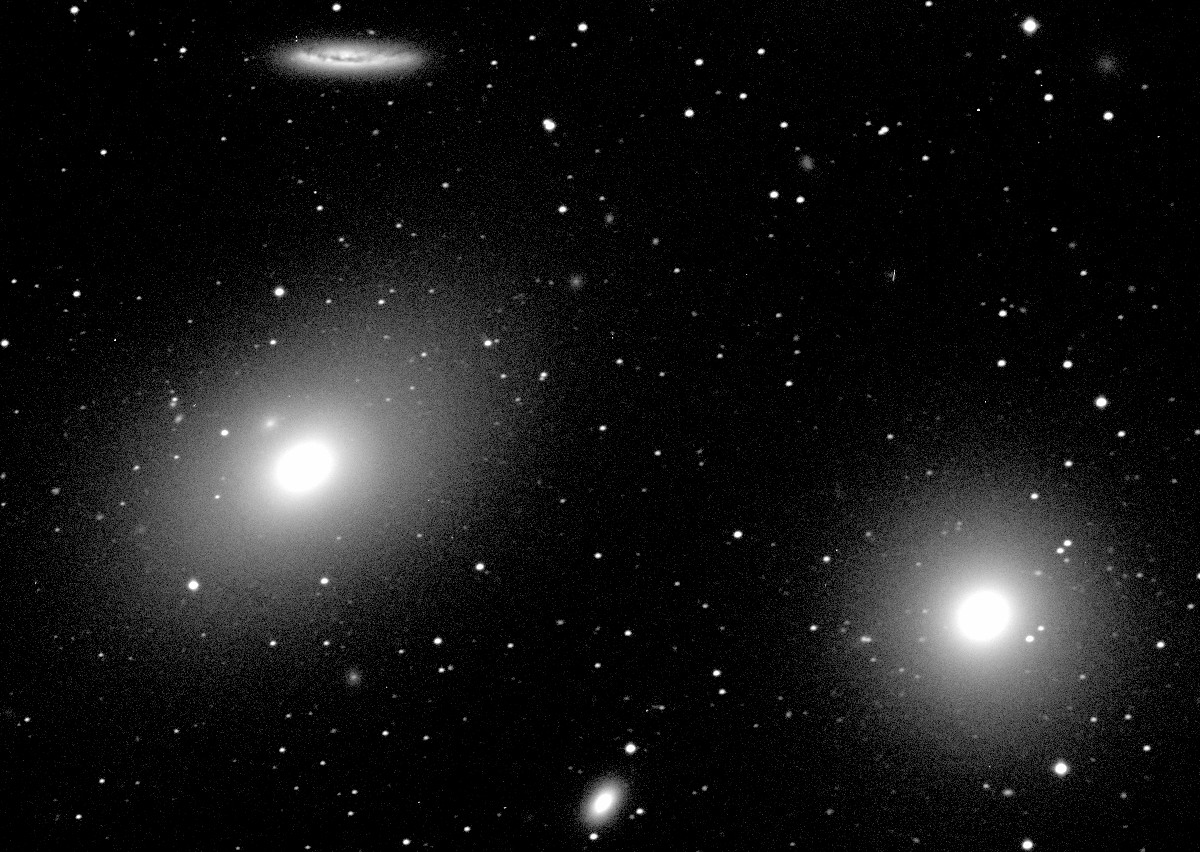
M84 and M86, at the core of the Virgo Cluster
|
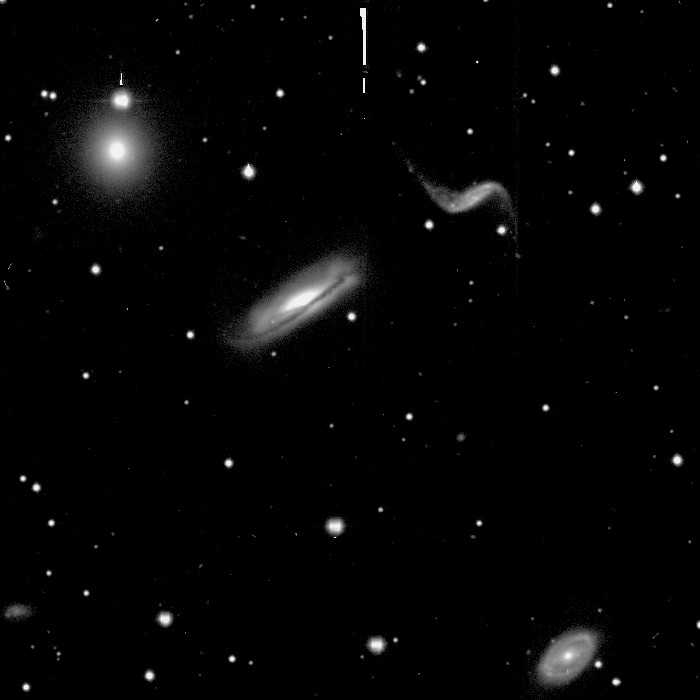
HCG44, including NGC3190, NGC3193, NGC3187, NGC3185
NGC253, Silver Coin Galaxy
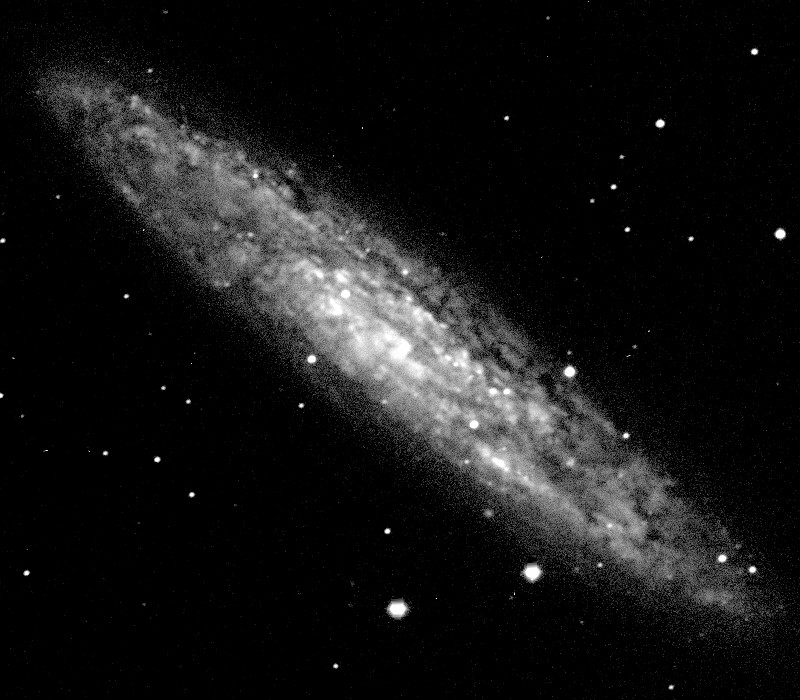
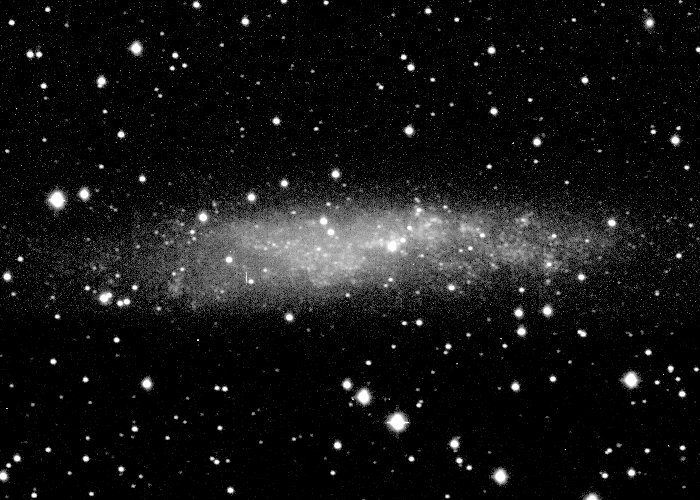
NGC247
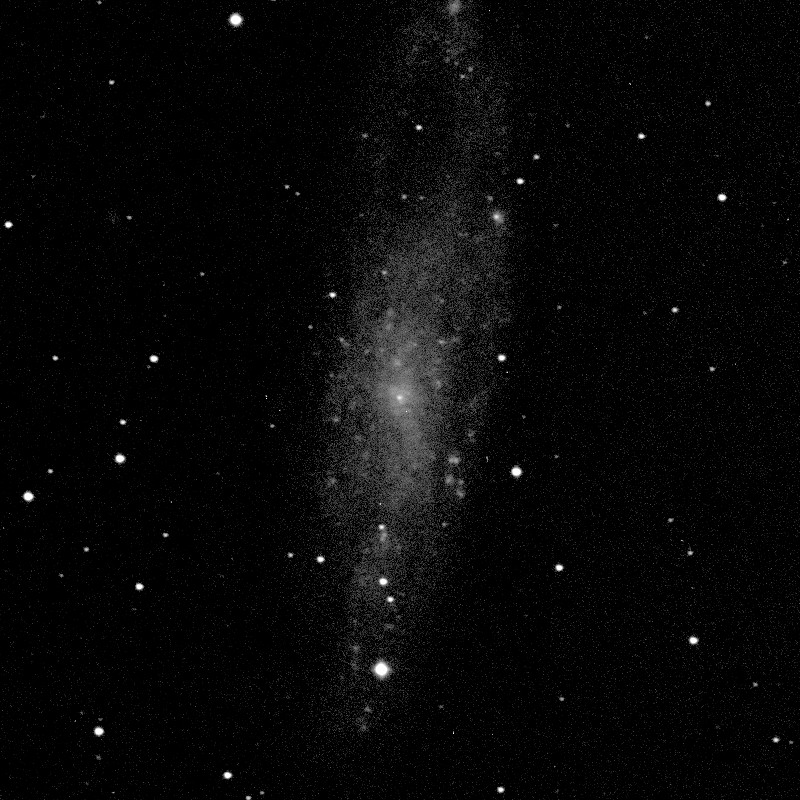
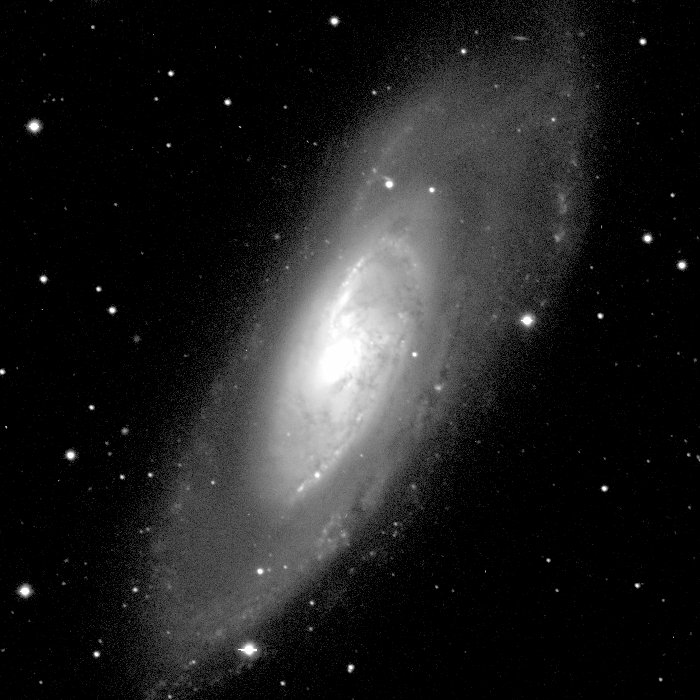
M60
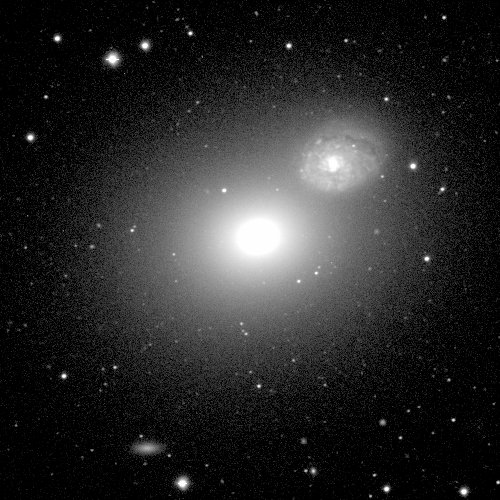
|
M61
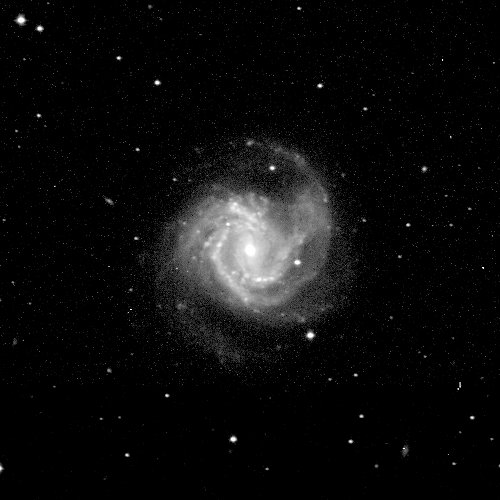
|
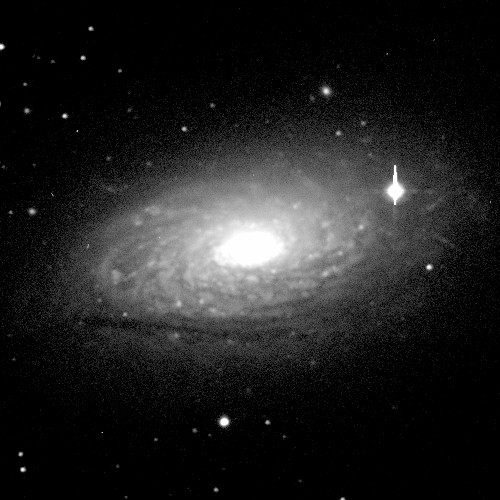
M63, Sunflower Galaxy
|
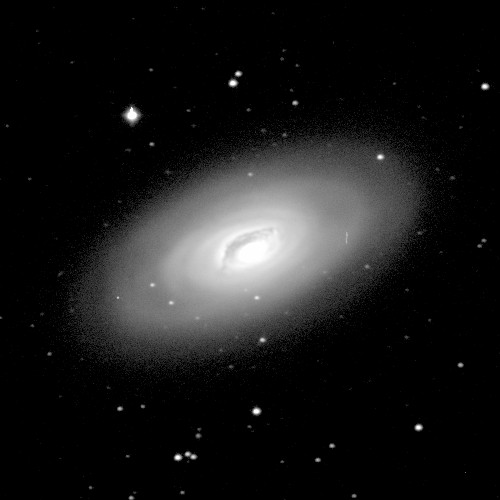
M64, Blackeye Galaxy
|
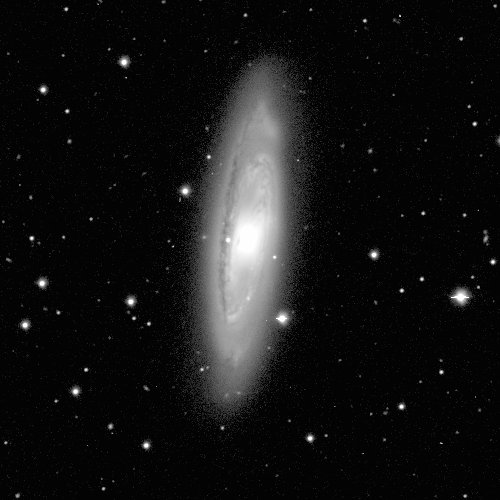
M65
|
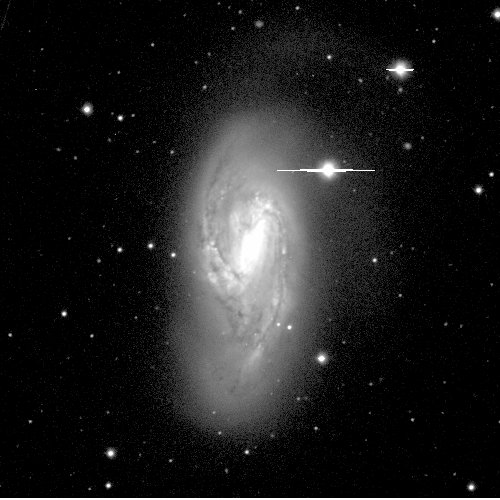
M66
|
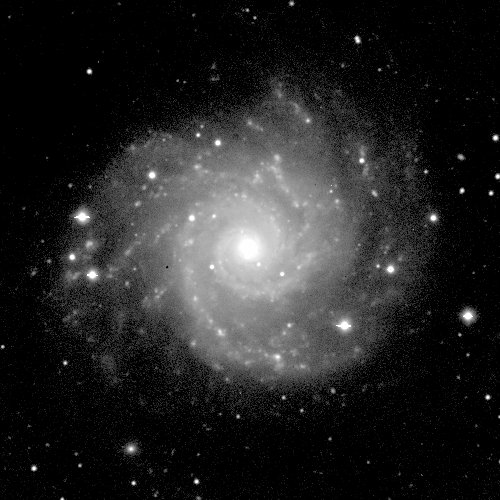
M74
|
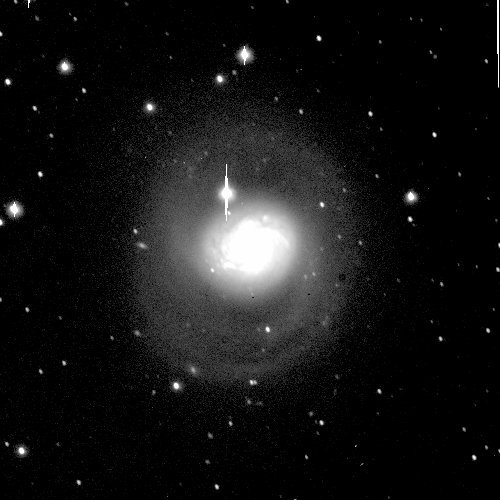
M77
|
M82, Cigar Galaxy
|
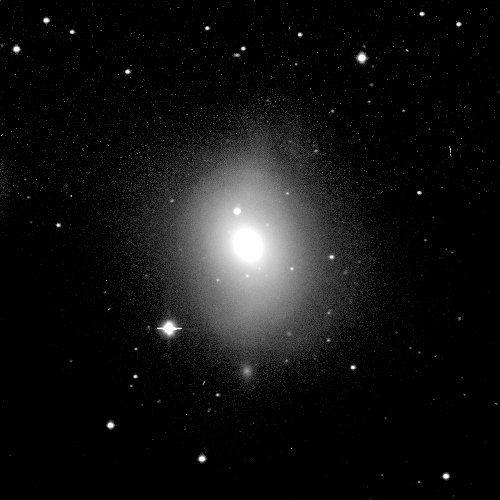
M85
|
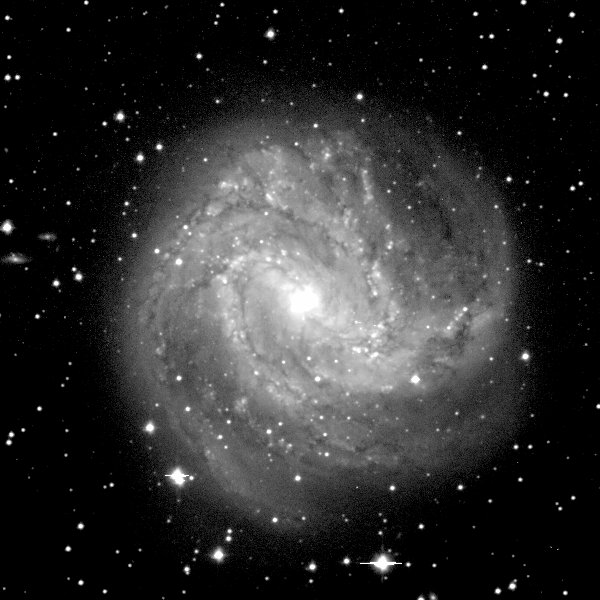
M83, Southern Pinwheel Galaxy
|
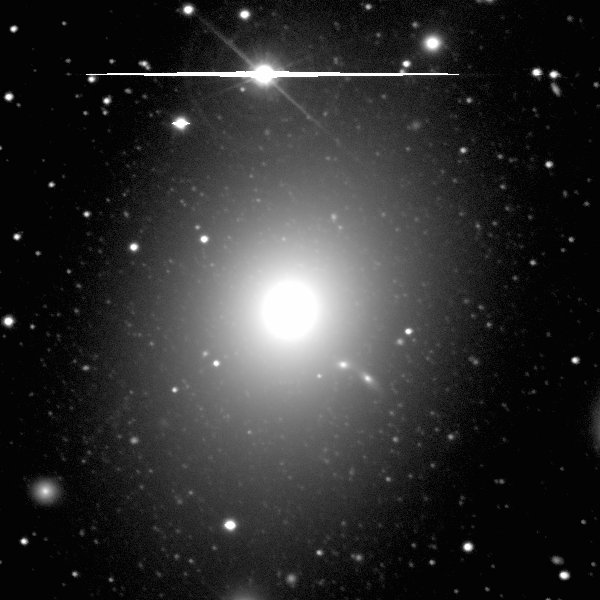
M87, Virgo A
|
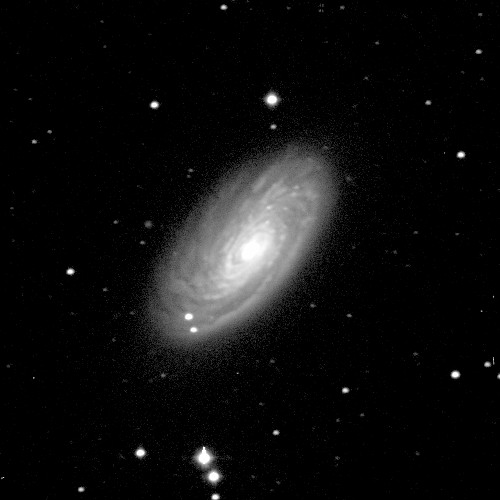
M88
|
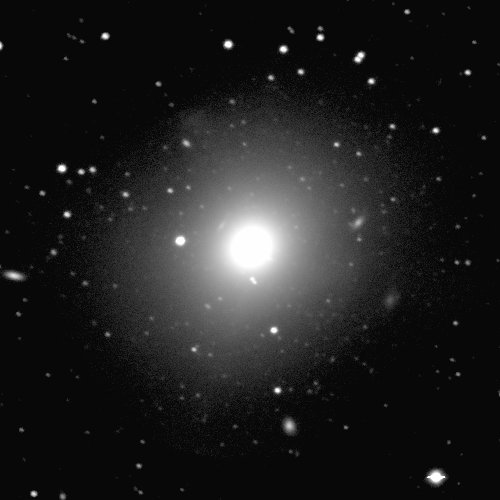
M89
|
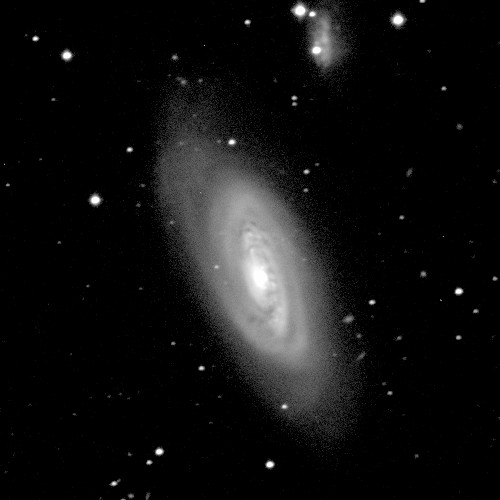
M90
|
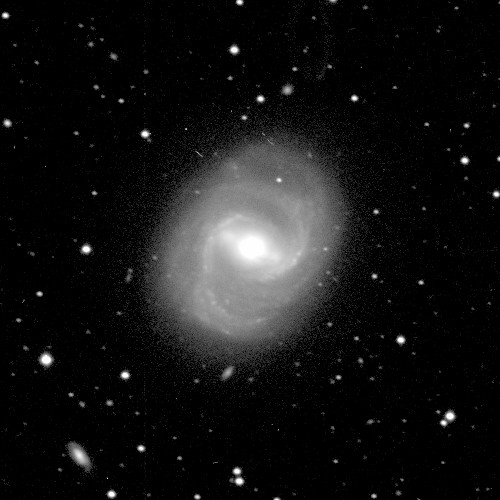
M91
|
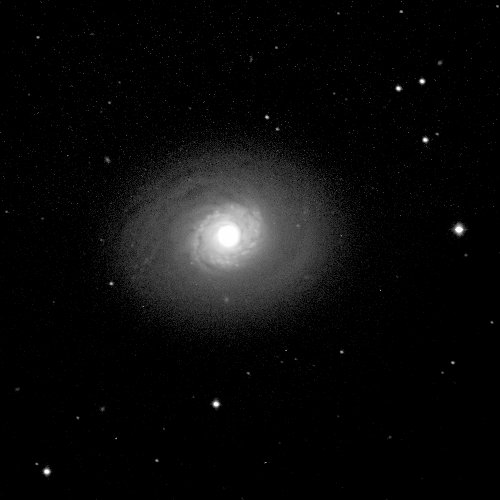
M94
|
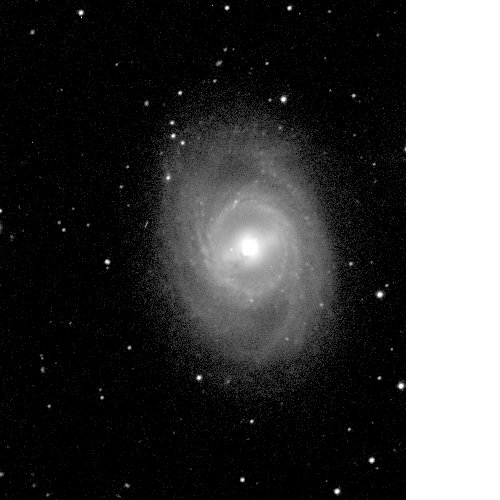
M95
|
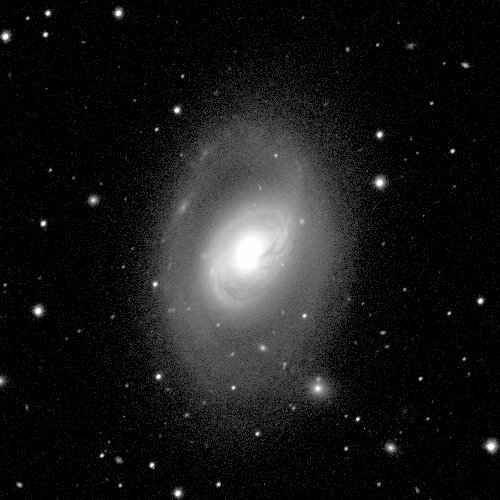
M96
|
M98
|
M99
|
M100
|
M102
|
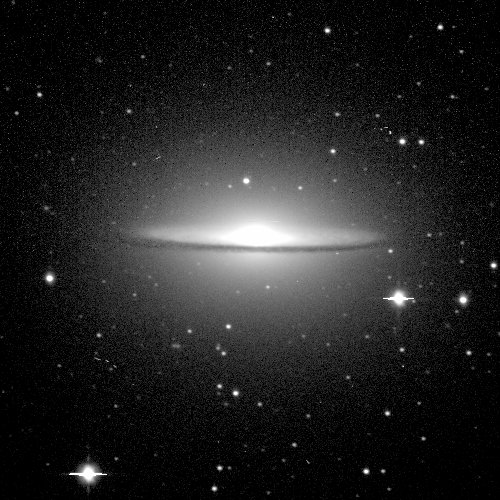
M104, The Sombrero Galaxy
|
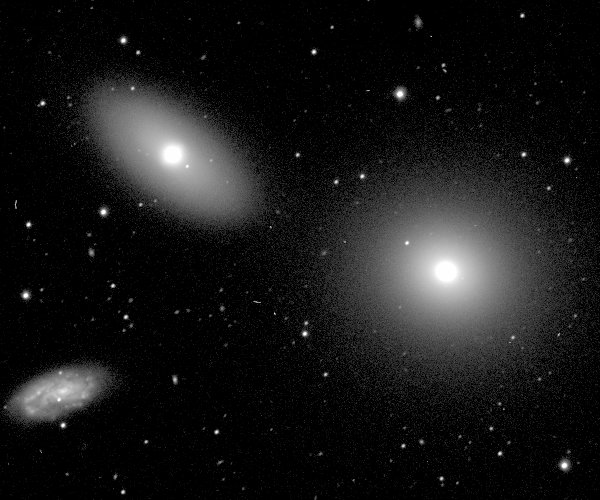
M105, with companions
|
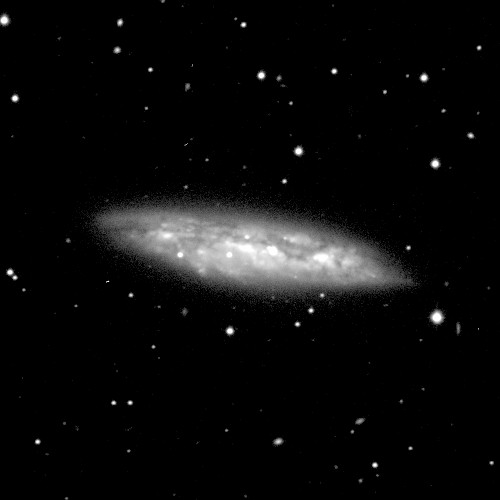
M108
|
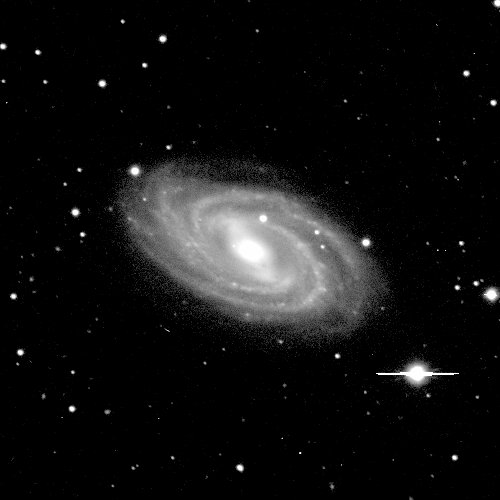
M109, One of my favorites!
|
NGC1232
|
NGC1253
|
NGC2403
|
NGC2613
|
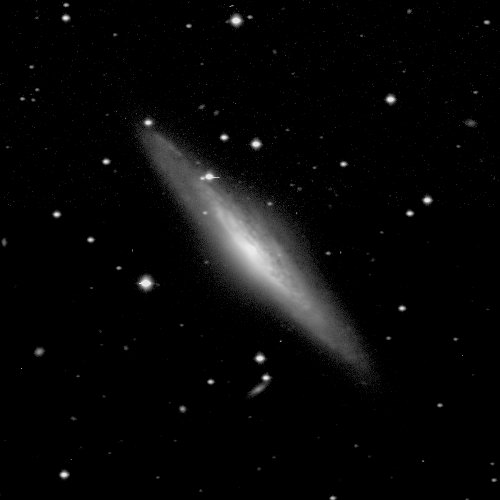
NGC2683
|
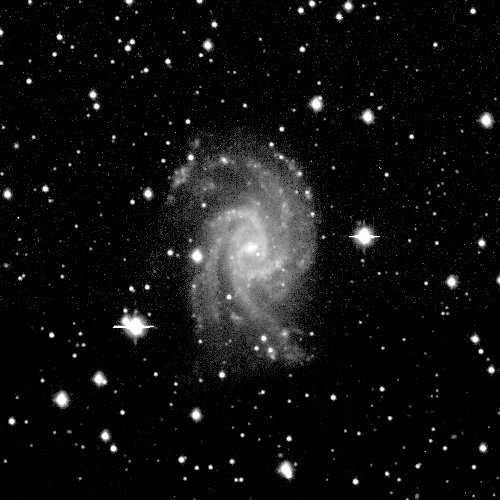
NGC2835
|
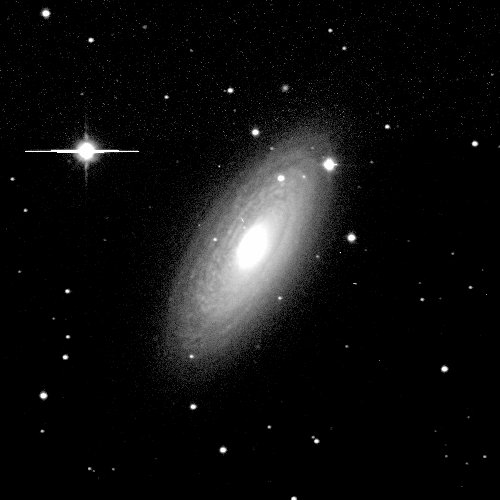
NGC2841
|
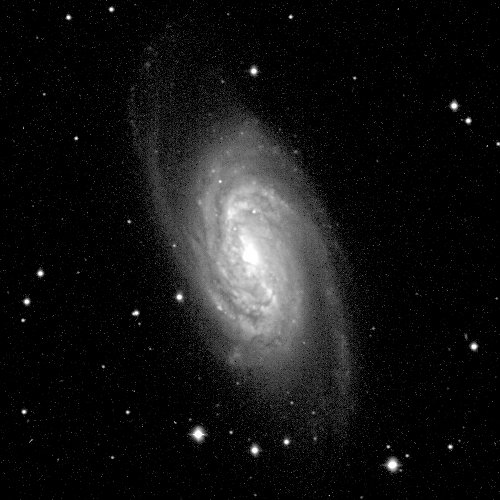
NGC2903
|
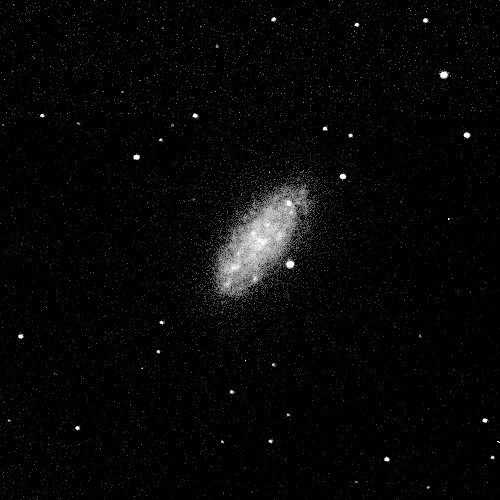
NGC2976
|
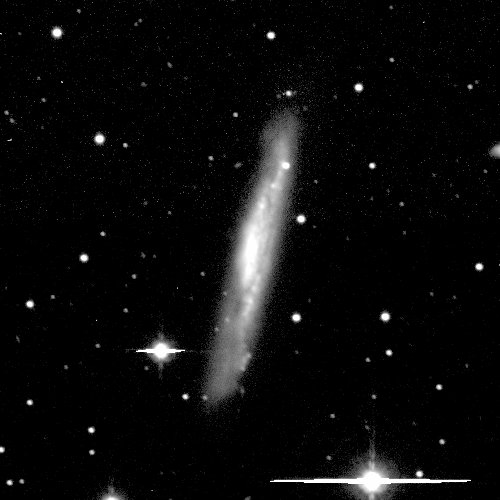
NGC3079
|
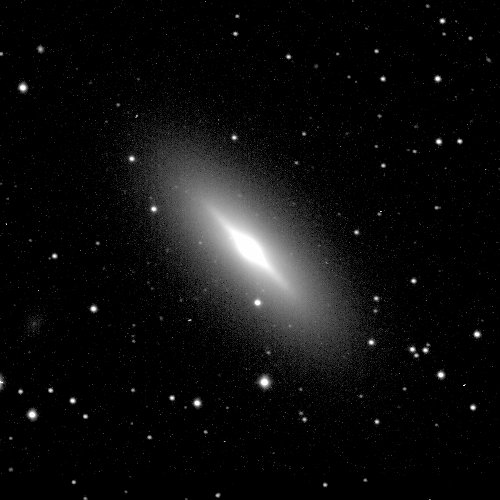
NGC3115
|
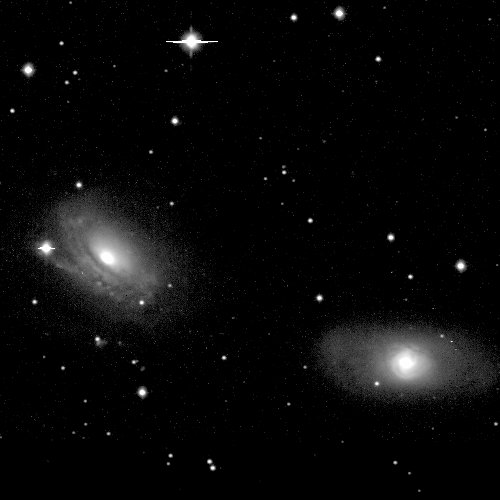
NGC3169 (left)
|
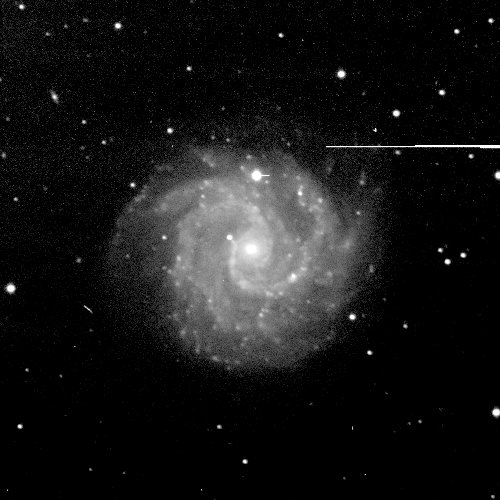
NGC3184
|
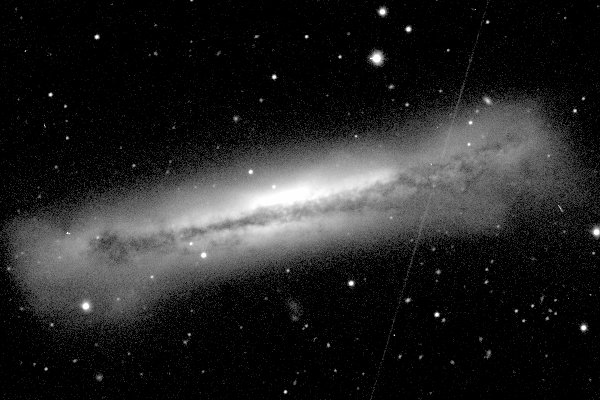
NGC3628
|
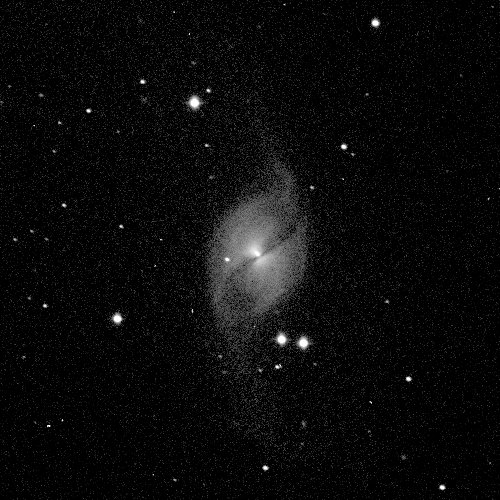
NGC3718
|
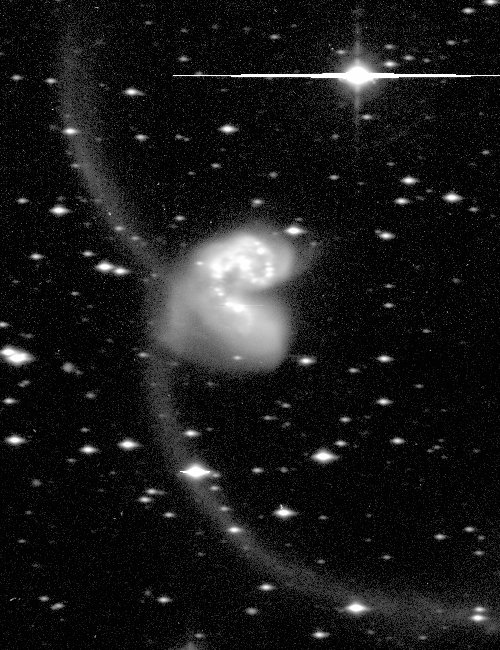
NGC4038 and NGC 4039, The Antennae
This is an excellent example of another issue that plagues Schmidt
images - windshake. Notice how all the stars look like footballs instead
of circles; this happens on windy nights where the wind shakes the
telescope around smearing out the images.
|
NGC4212
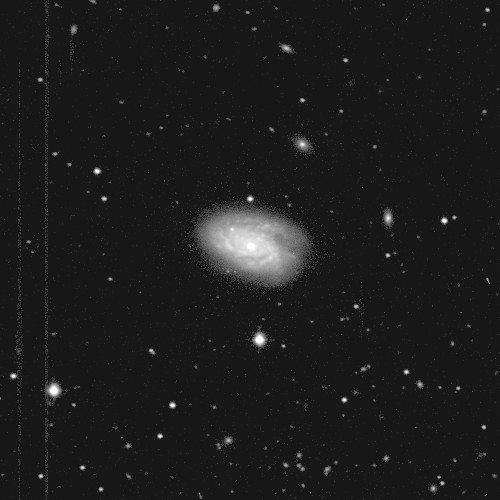
|
NGC4388
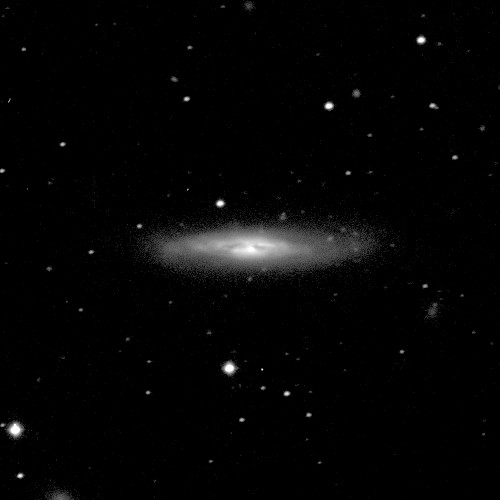
|
NGC4438
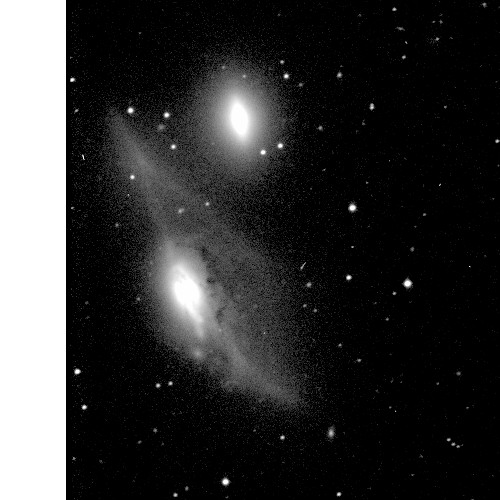
|
NGC4459
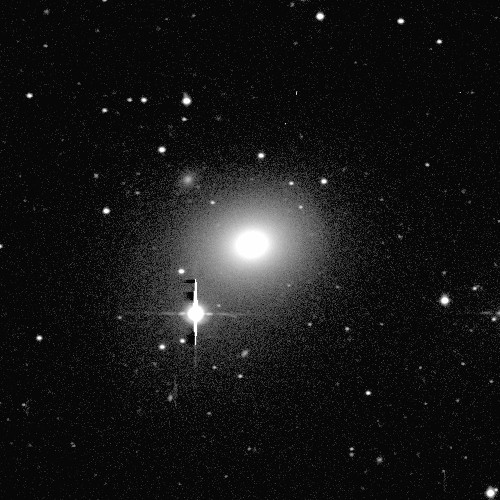
|
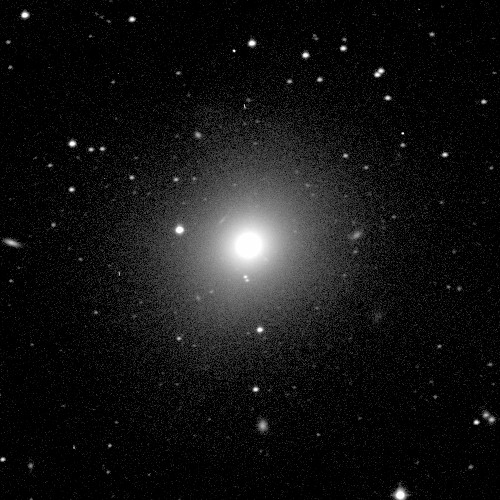
NGC4531
|
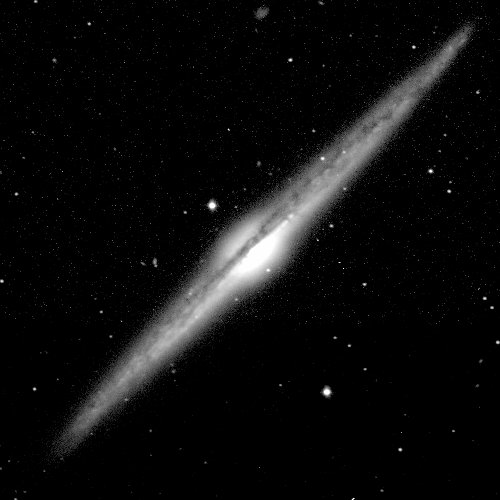
NGC4565, another favorite
|
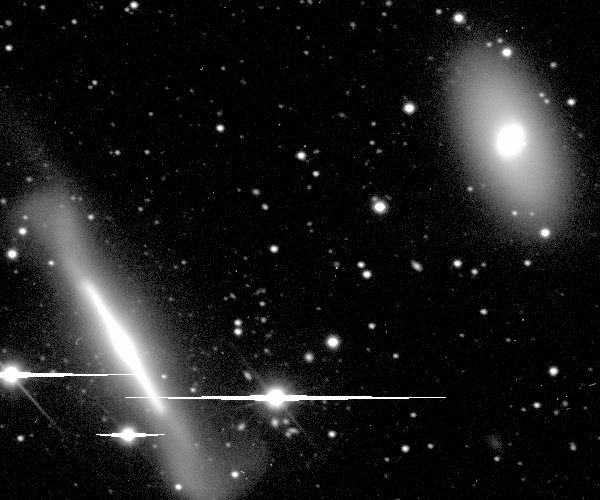
NGC4754 and NGC4762
|
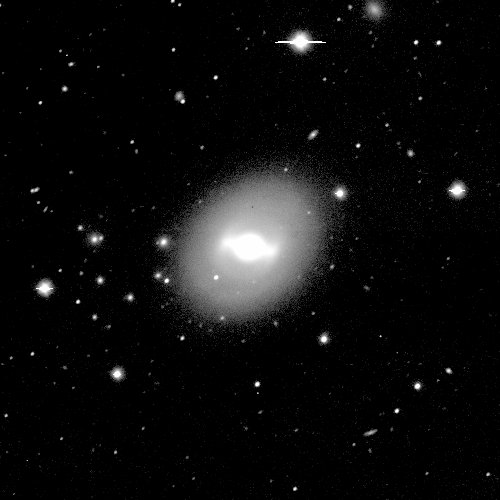
NGC936
|
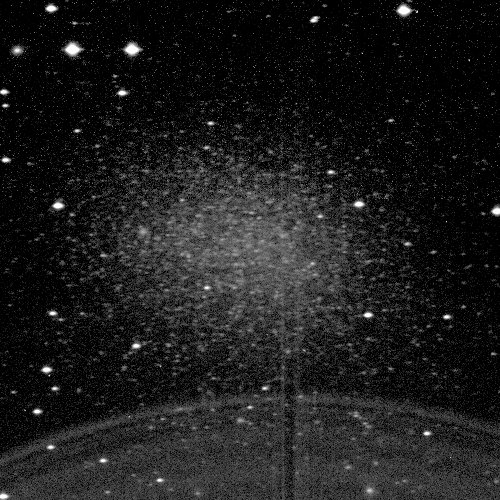
Leo I
|
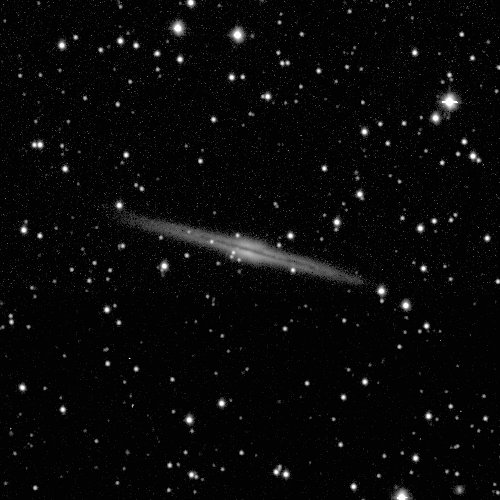
IC2531
|
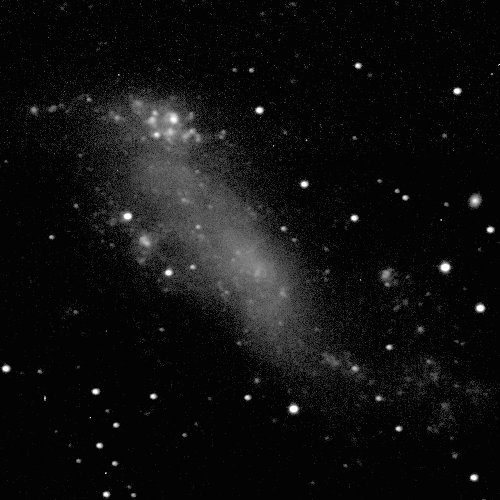
IC2574
|
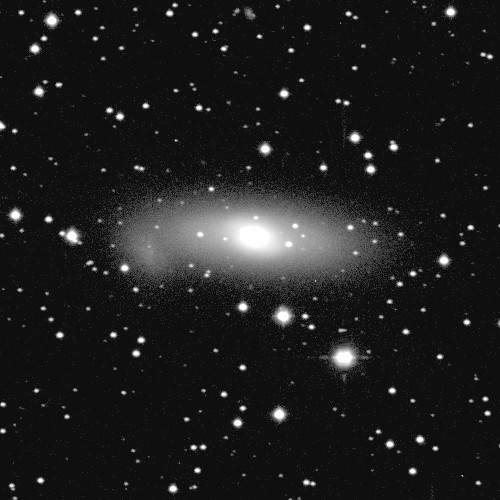
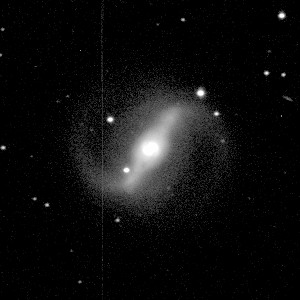
Almost all the galaxies below are from 2009, in the B' filter
NGC1023
|
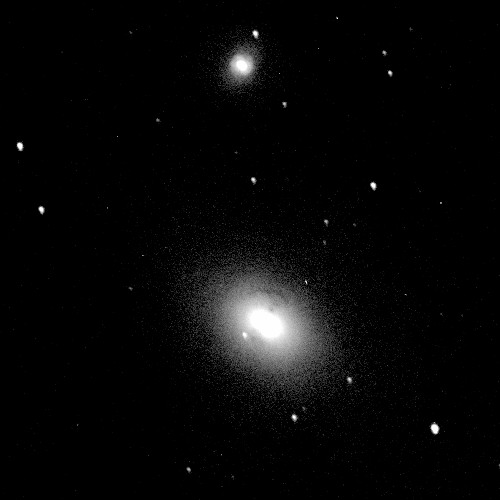
NGC1316
|
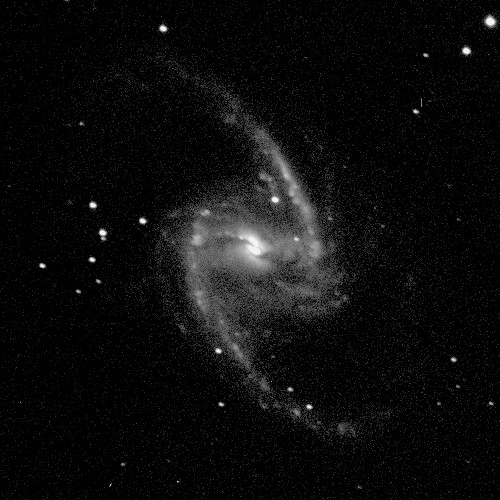
NGC1365
|
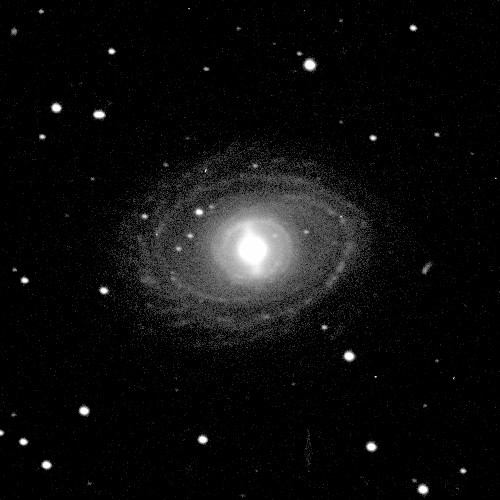
NGC1398
|
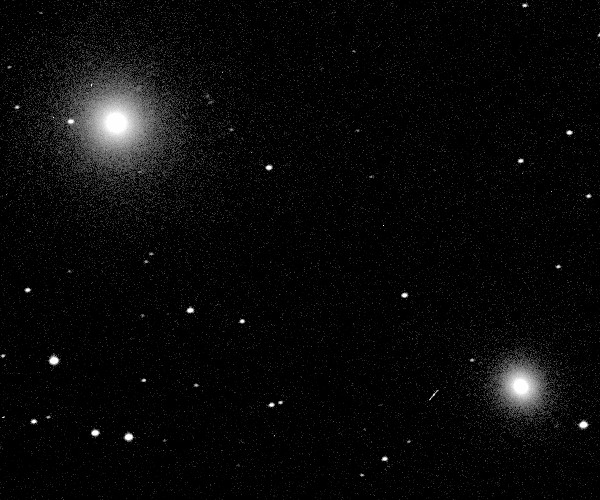
NGC1407, with NGC1400
|
NGC147
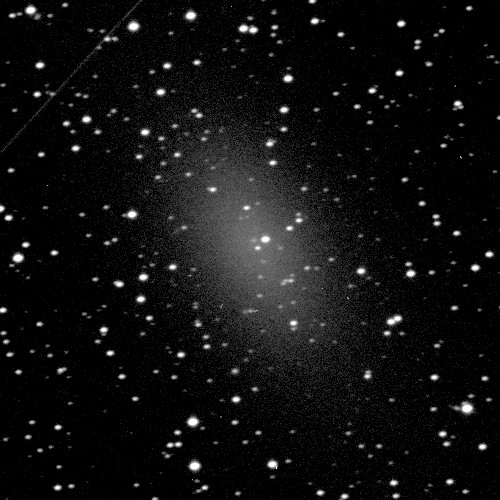
|
NGC1532
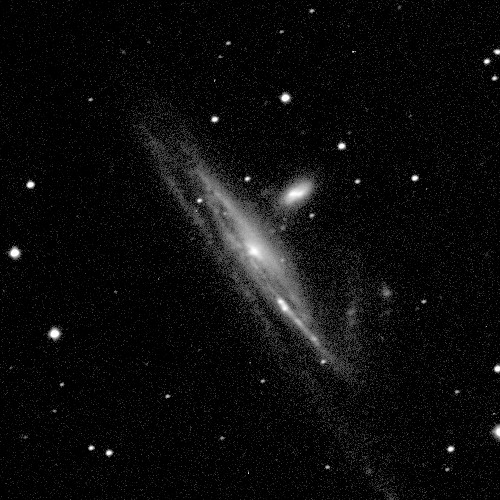
|
NGC1560
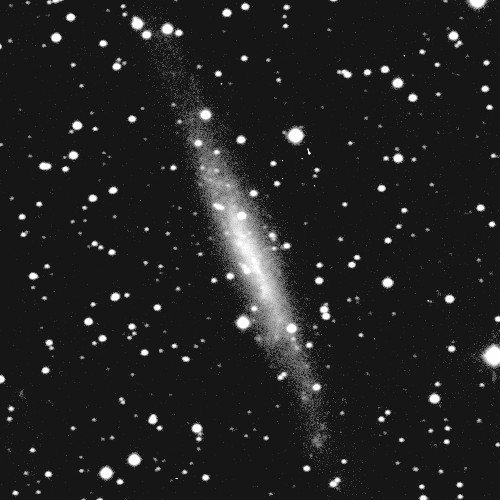
|
NGC185
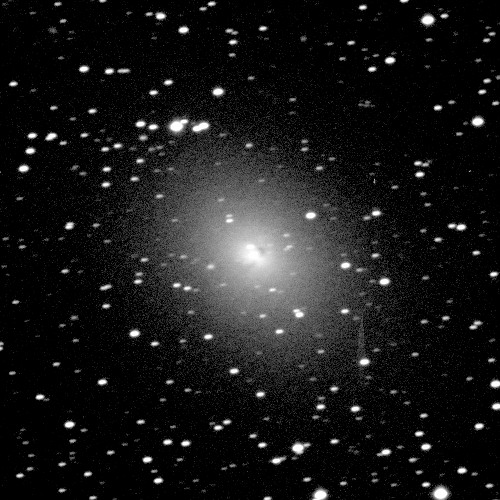
|
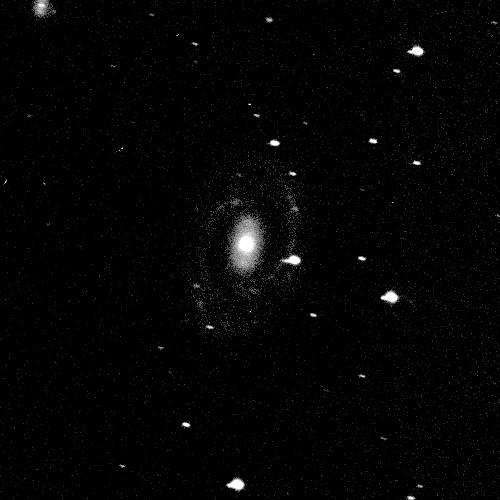
NGC210
|
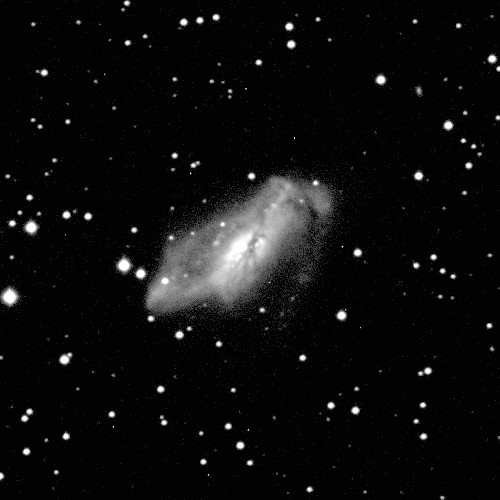
NGC2146
|
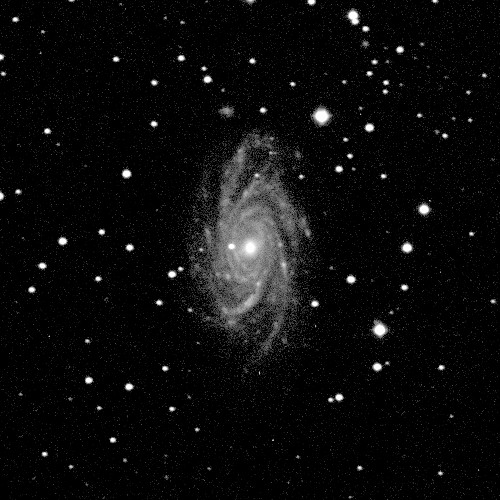
NGC2336
|
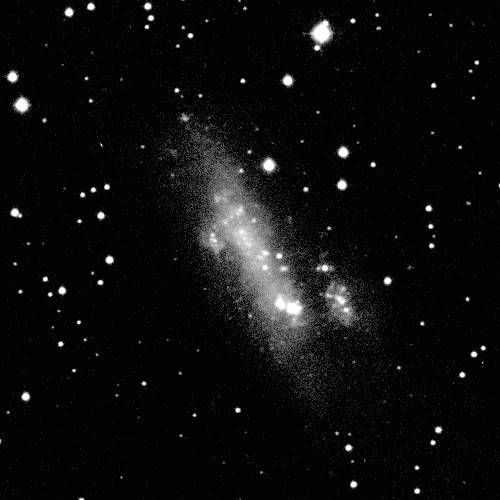
NGC2366
|
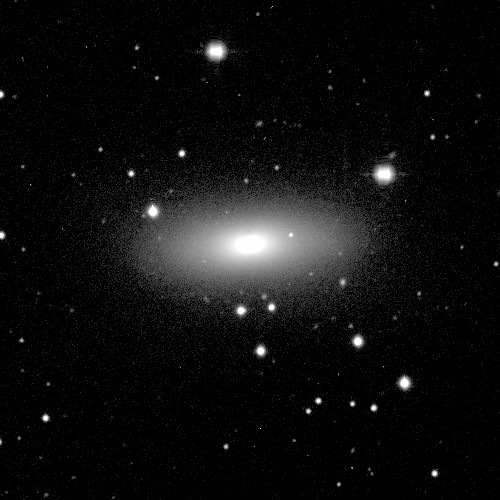
NGC2768
|
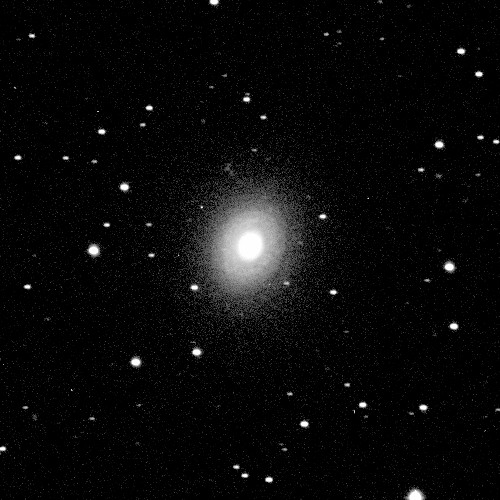
NGC2775
|
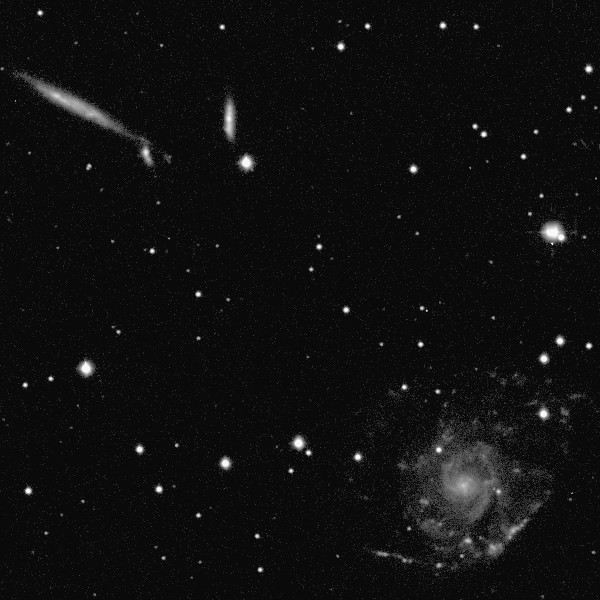
NGC2805 with NGC2820 and NGC2814
|
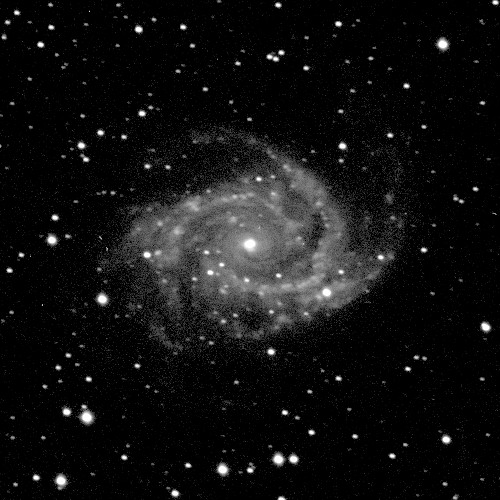
NGC2997
|
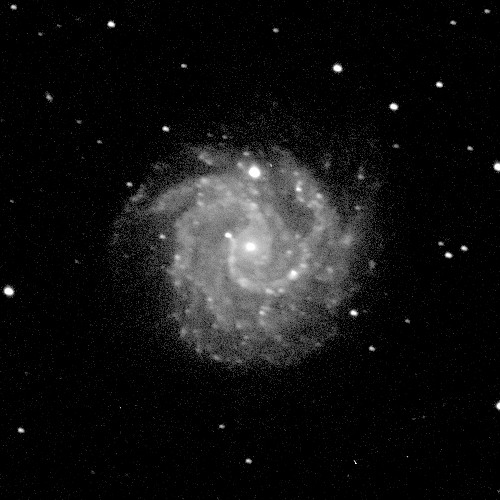
NGC3184
|
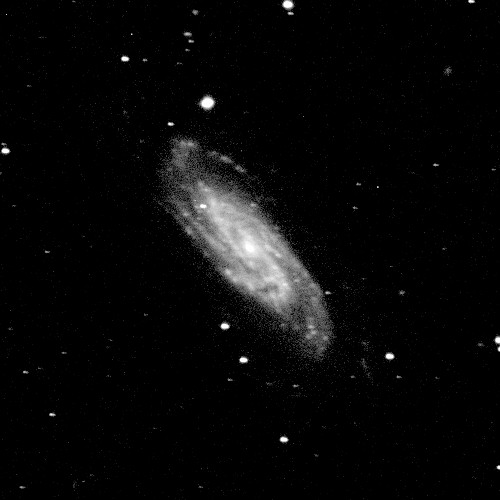
NGC3198
|
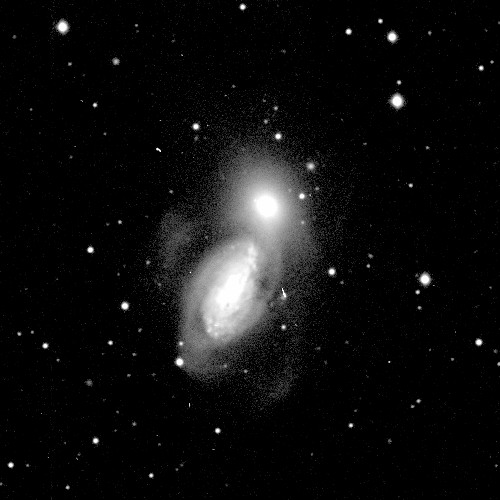
NGC3227 with NGC3226
|
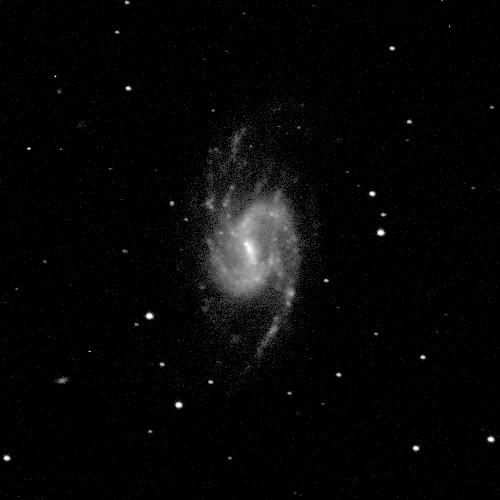
NGC3359
|
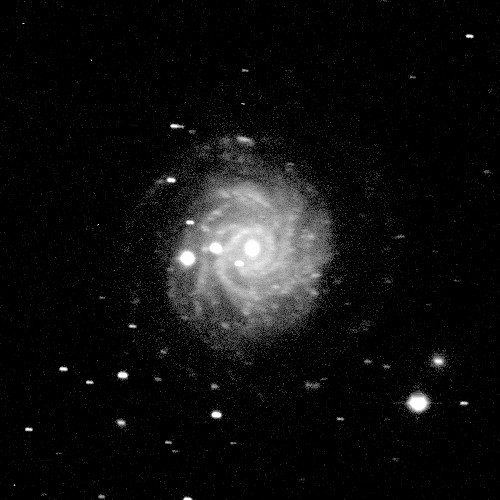
NGC3344
|
NGC3359
|
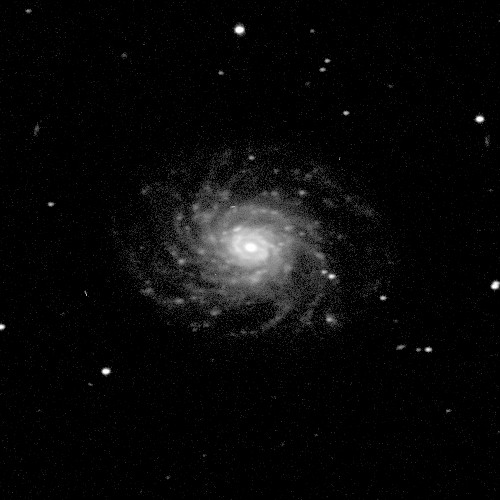
NGC3486
|
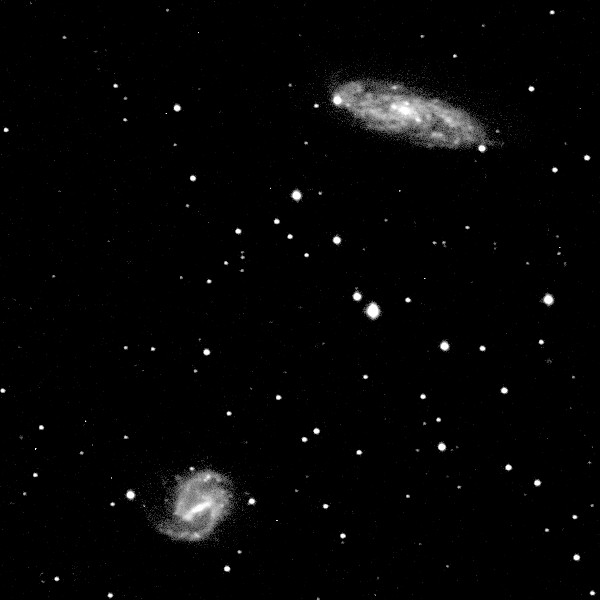
NGC3511 with NGC3513
|
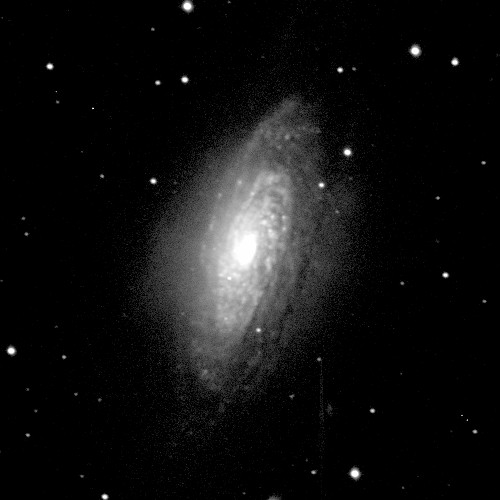
NGC3521
|
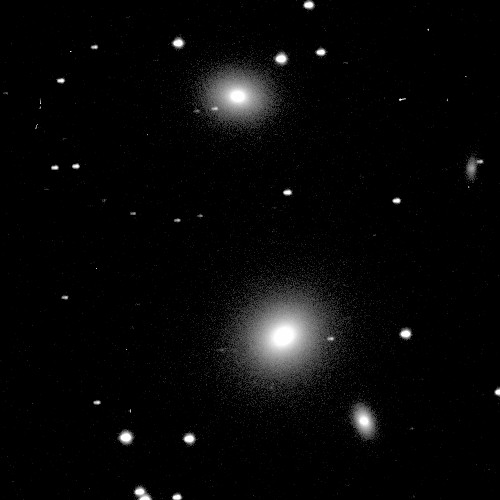
NGC3607 with NGC3608
|
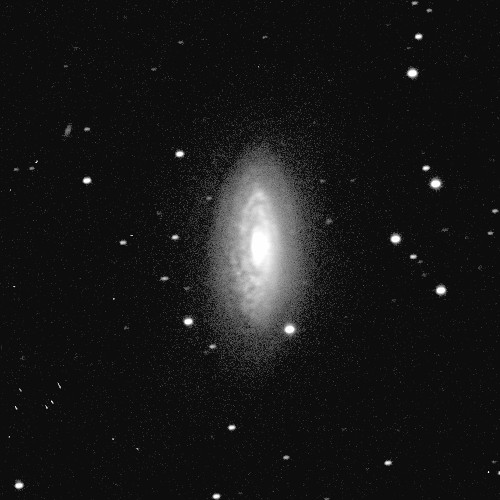
NGC3675
|
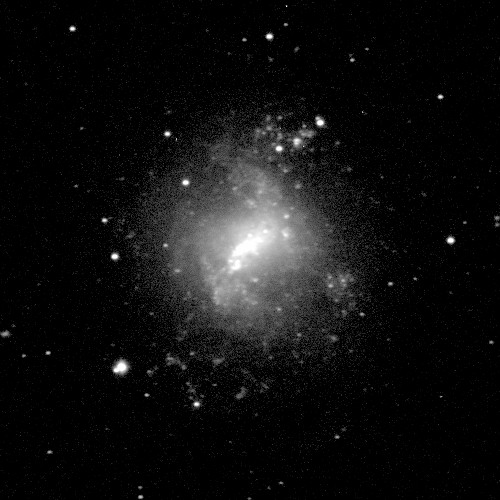
NGC4214
|
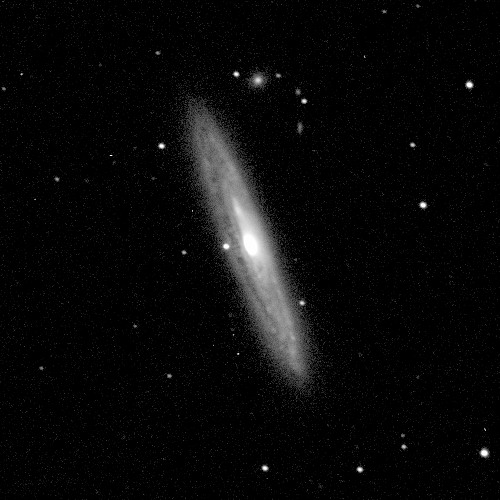
NGC4216
|
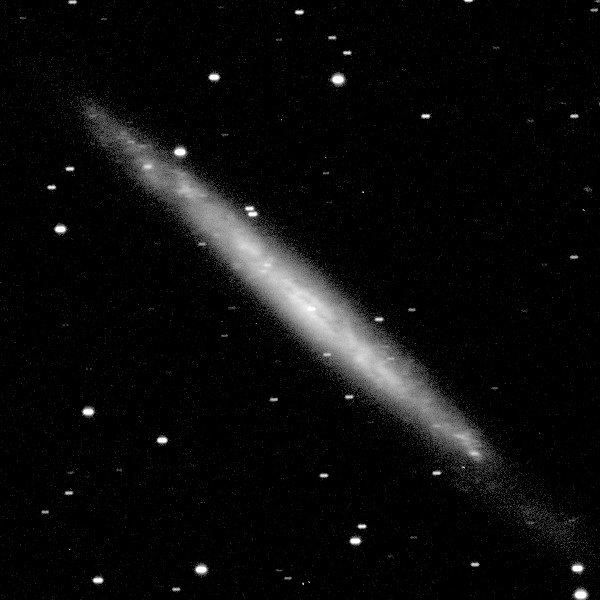
NGC4244
|
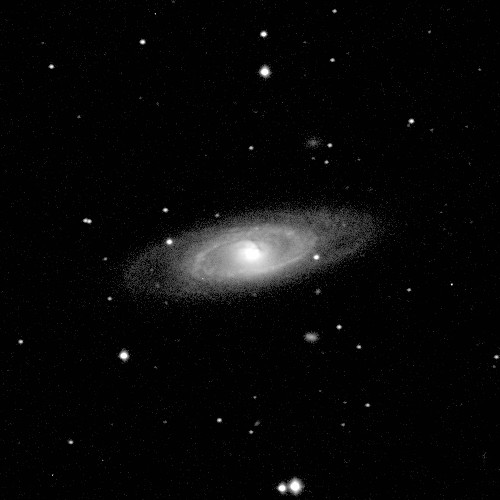
NGC4274
|
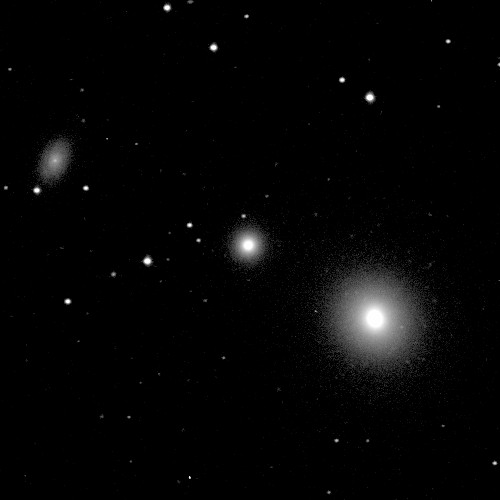
NGC4278
|
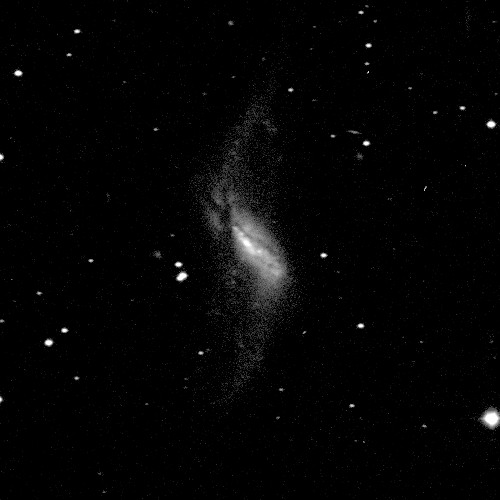
NGC660
|
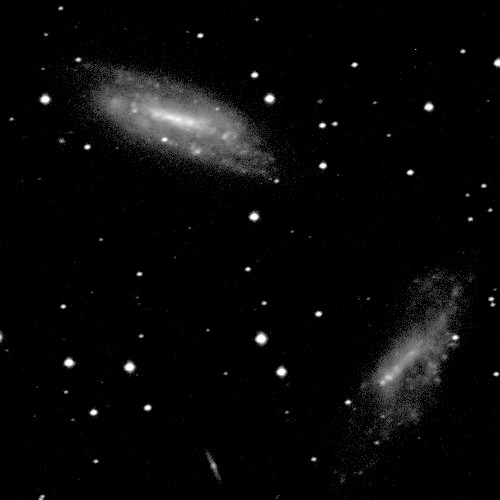
NGC672 with
|
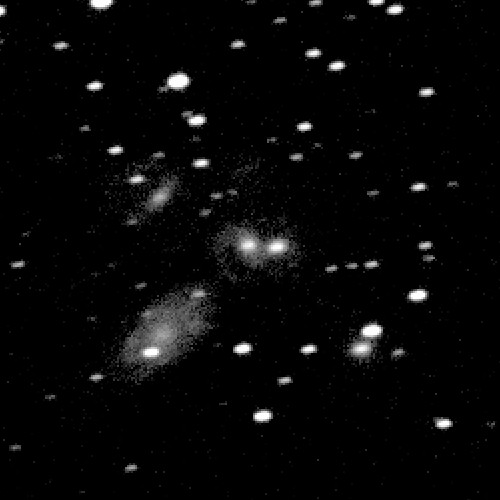
Stephan's Quintet. These guys are a little on the small side for the
Shcmidt to begin with, plus the windshake was awful.
|
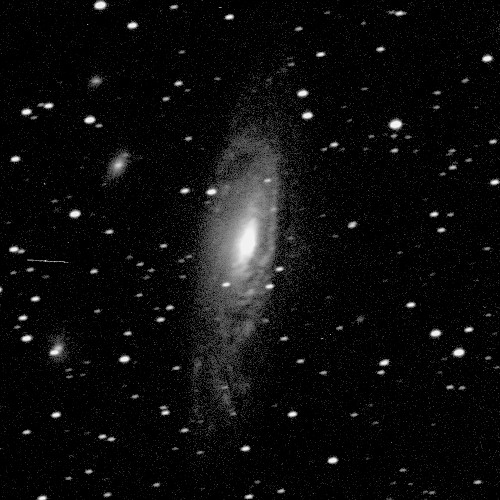
NGC7331
|
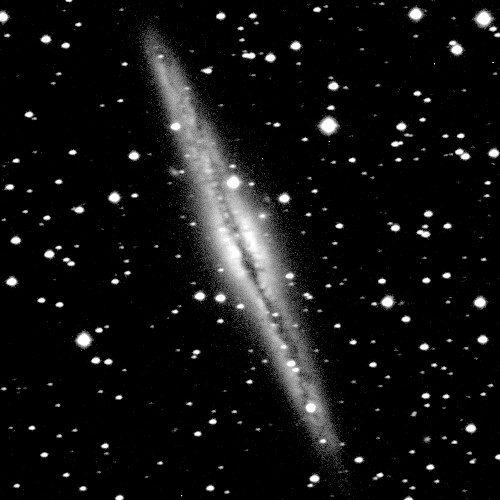
NGC891
|
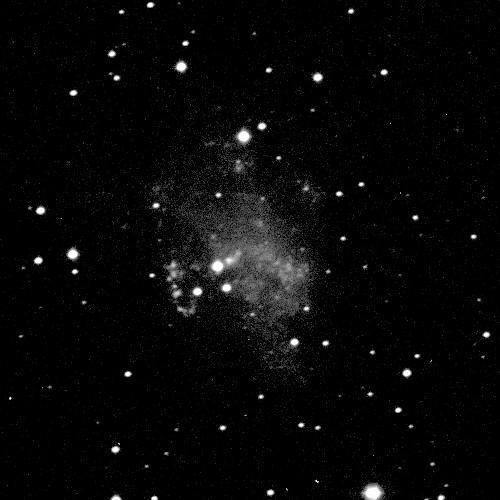
UGC4305
|
|
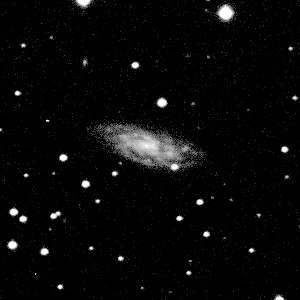
IC467
|
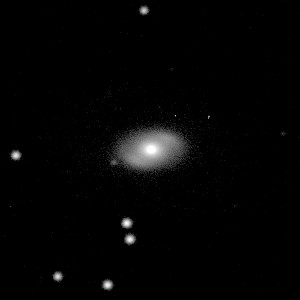
NGC1079
|
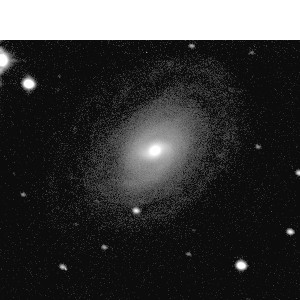
NGC1371
|
NGC1395
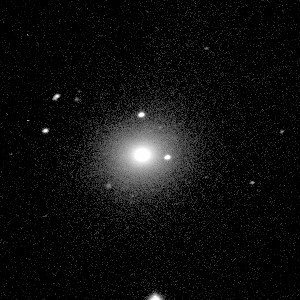
|
NGC1512
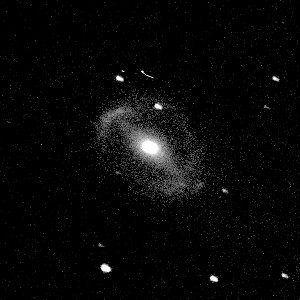
|
NGC1744
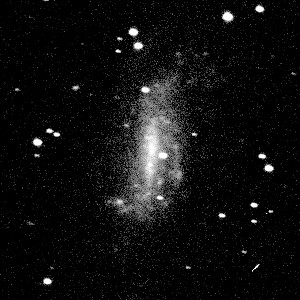
|
NGC1792
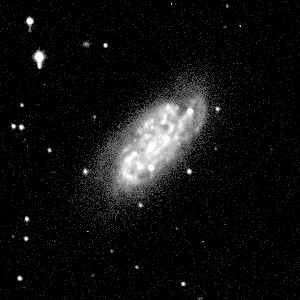
|
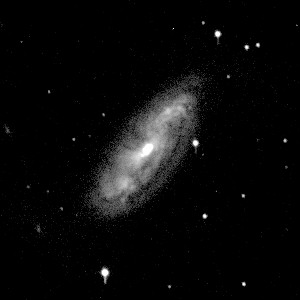
NGC1808
|
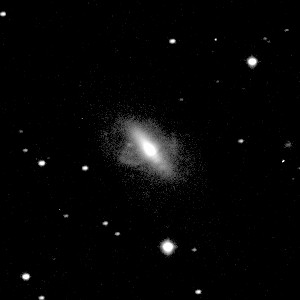
NGC2685, Helix or Pancake Galaxy
|
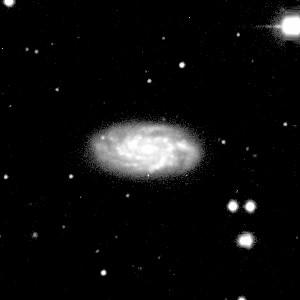
NGC2742
|
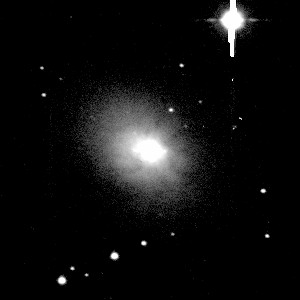
NGC3077
|
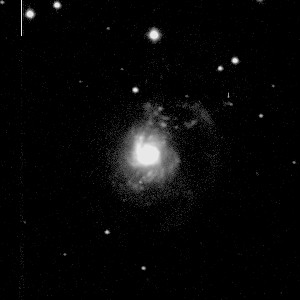
NGC3310
|
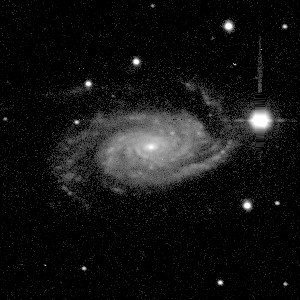
NGC3338
|
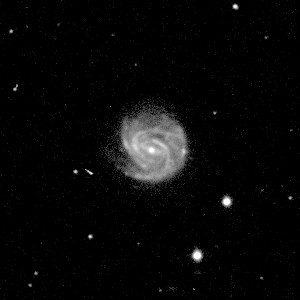
NGC3367
|
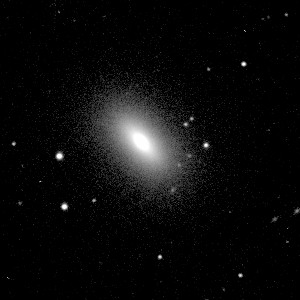
NGC3377
|
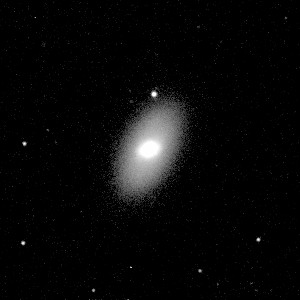
NGC3412
|
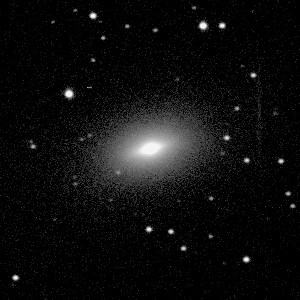
NGC3585
|
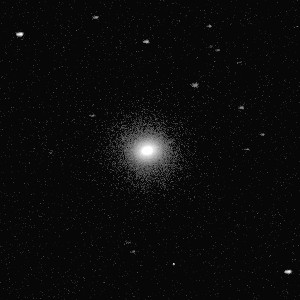
NGC3599
|
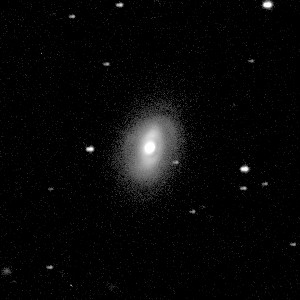
NGC3626
|
NGC3631
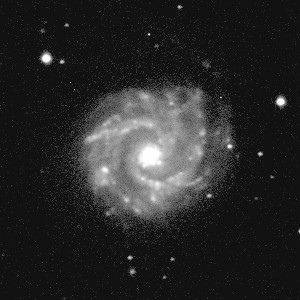
|
NGC4013
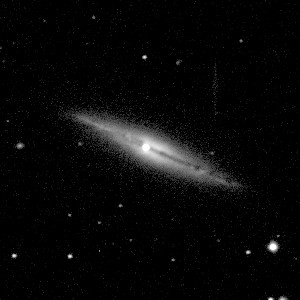
|
NGC4051
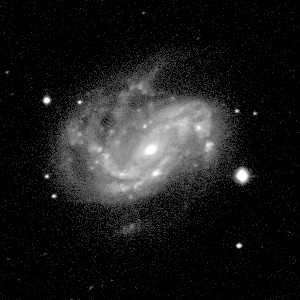
|
NGC4245
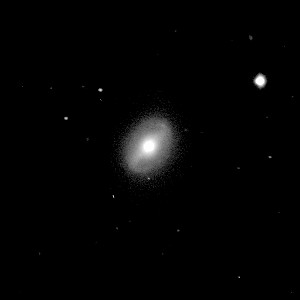
|
NGC4314
|
Galaxy Clusters
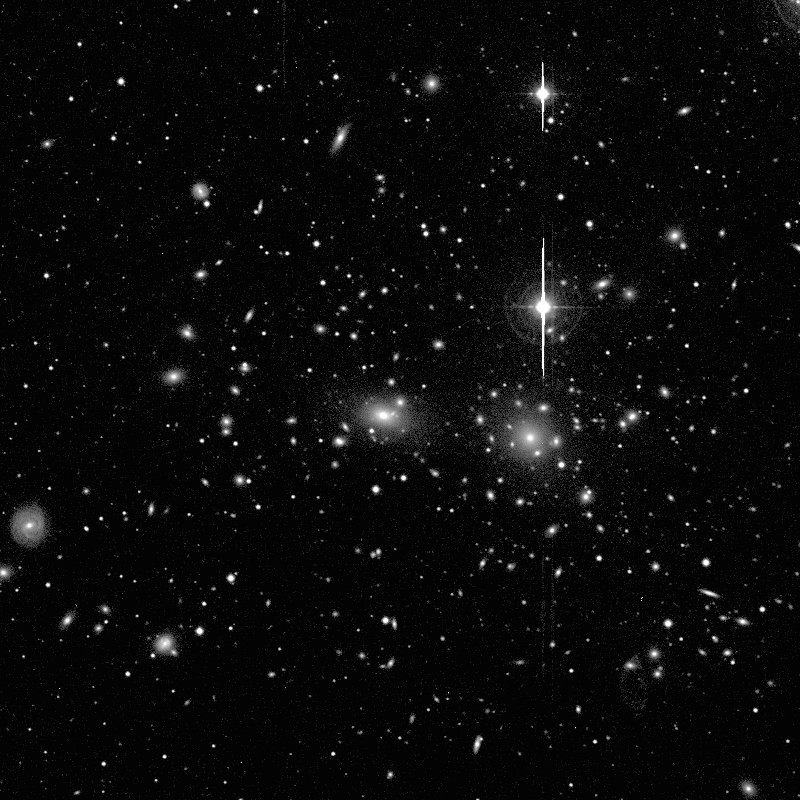
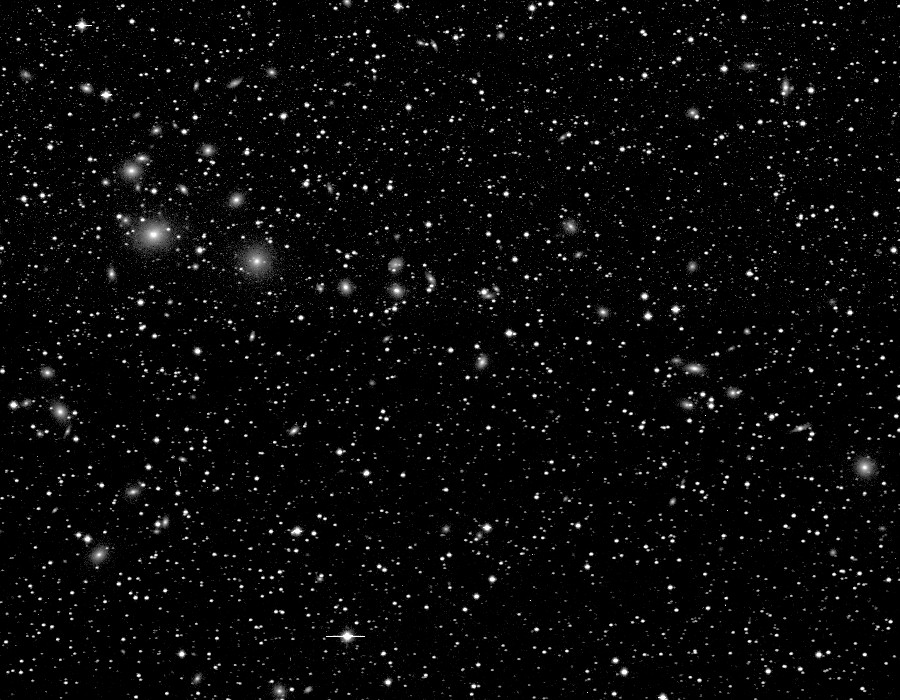
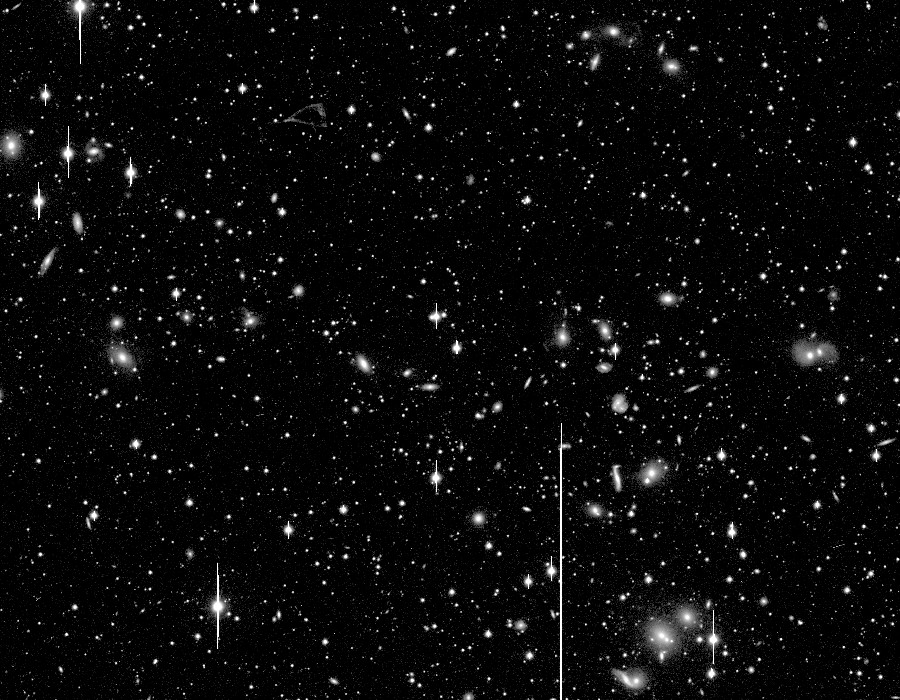
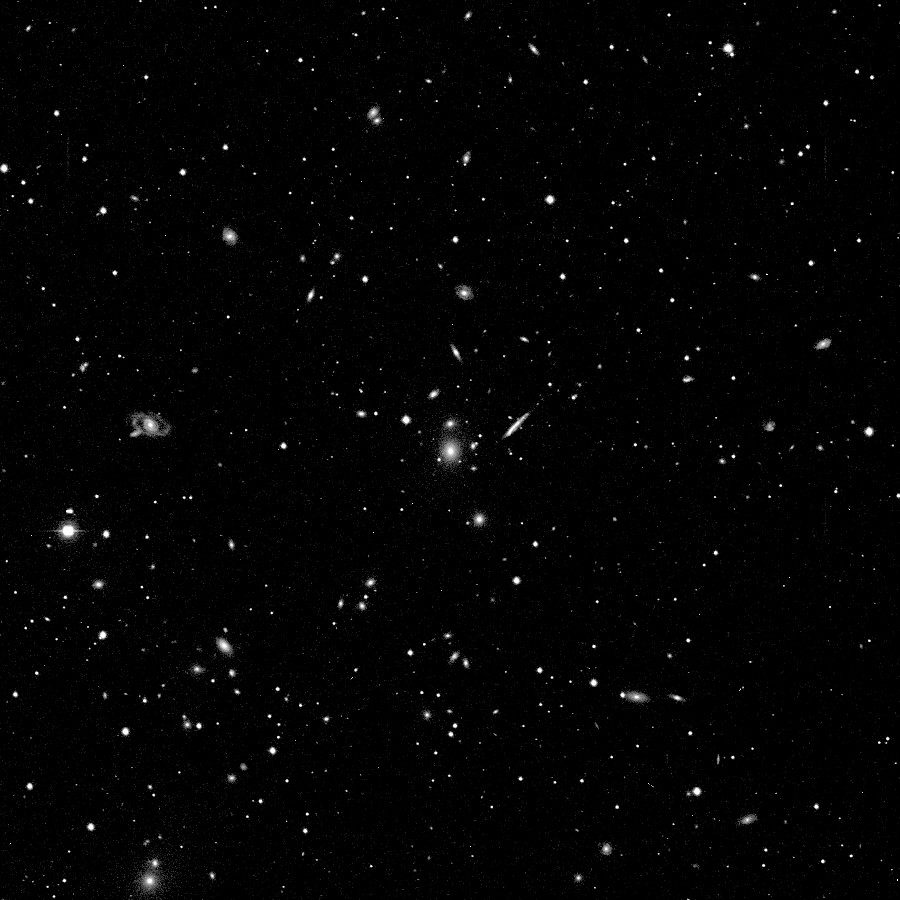
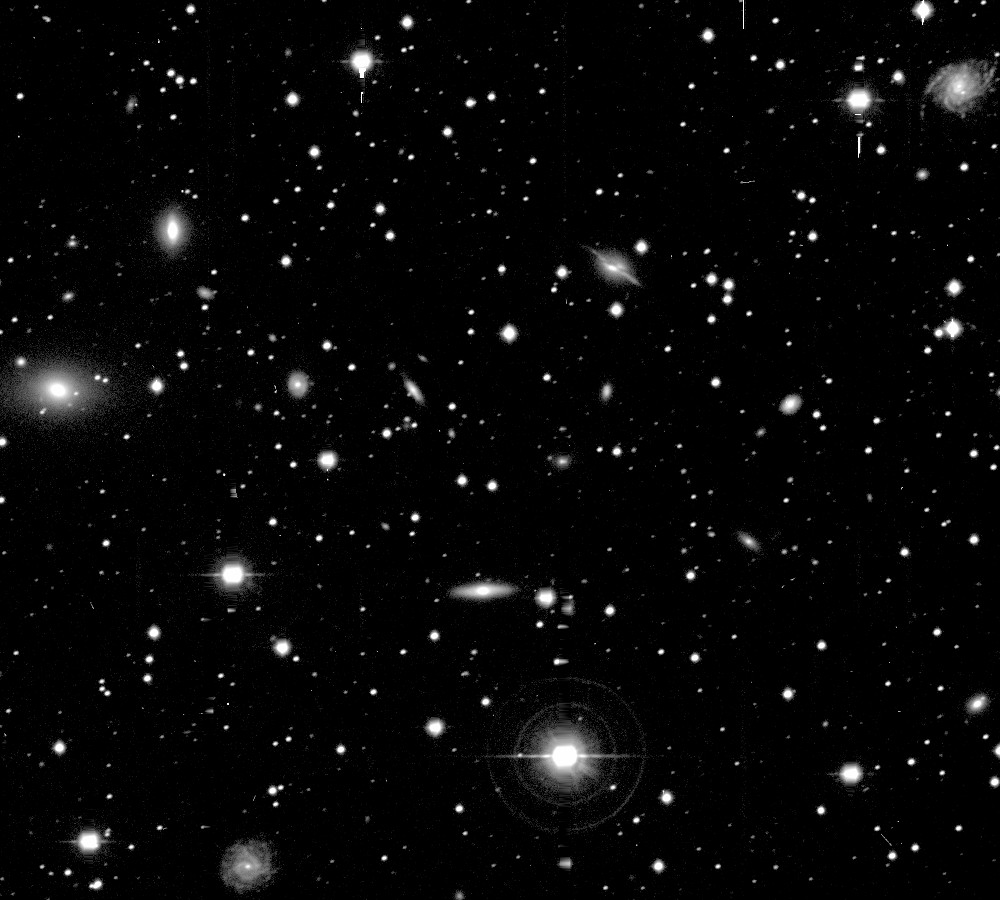
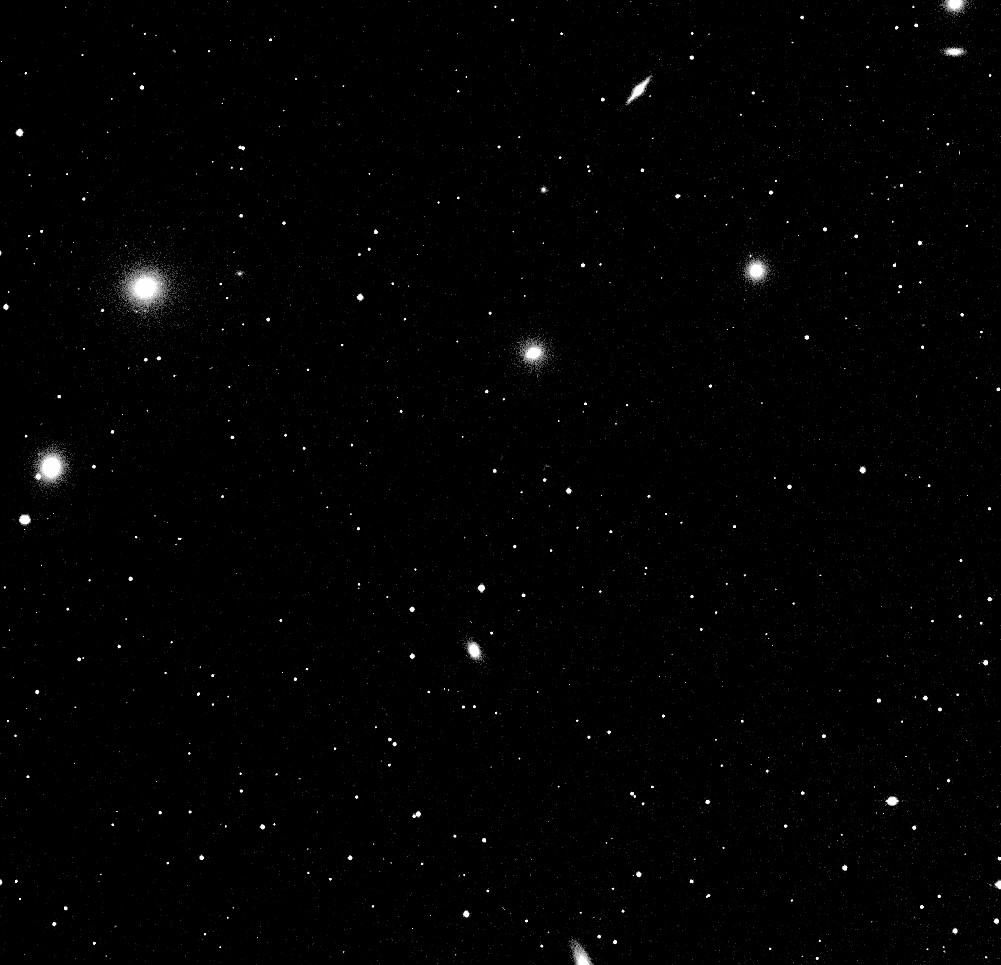
These are nearby clusters of galaxies. Each of these clusters
containes hundreds of galaxies, although only the few dozen brightest
are easily discrenable in these images. Washington M or B' filter,
pixel scalse is 3 arcsec/pixel.
Abell 1656, the Coma Cluster, with NGC4874 and NGC4889
|
Abell 426, the Perseus Cluster, with NGC1275
|
Abell 2151, the Hercules Cluster
|
Abell 1367, the Leo Cluster
|
Cancer Cluster
|
Fornax Cluster
|
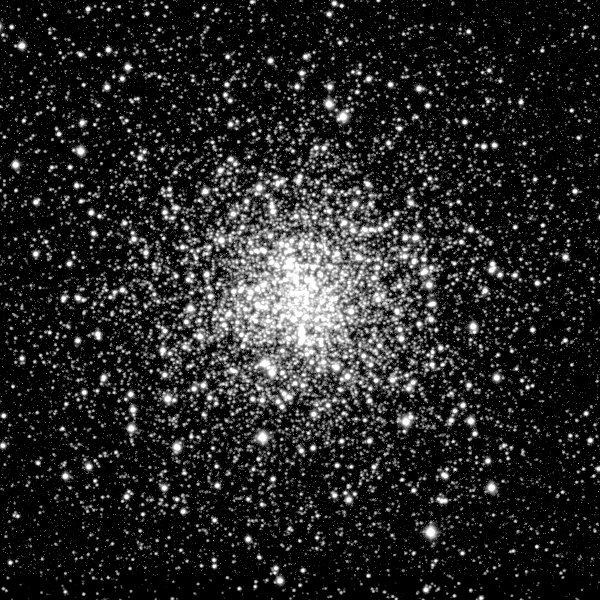
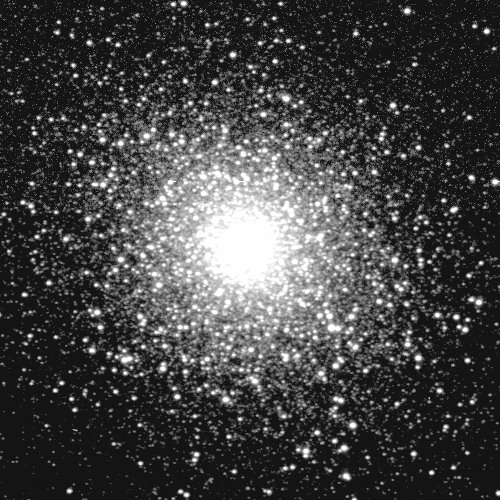
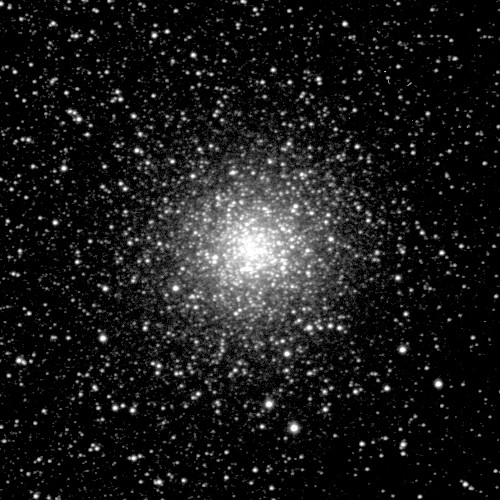
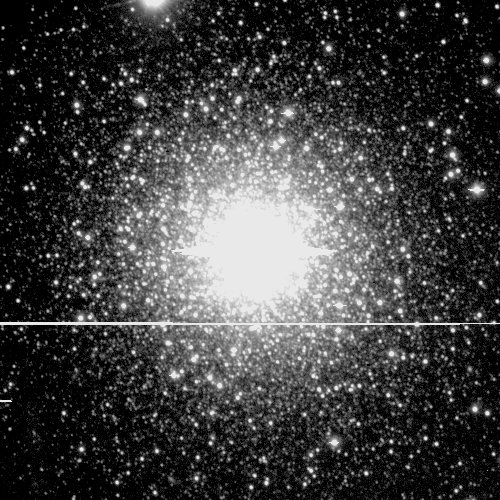
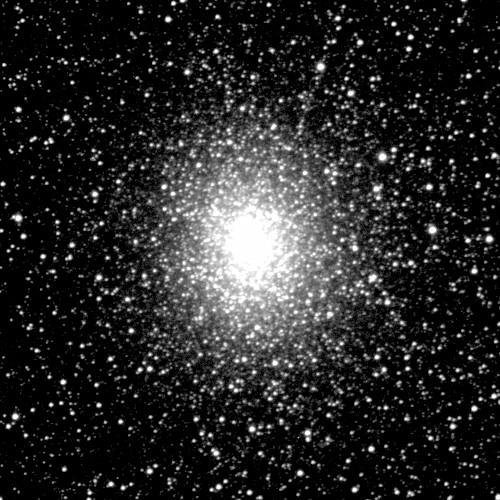
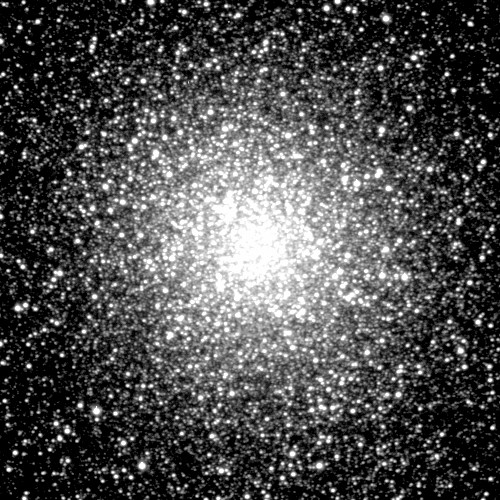
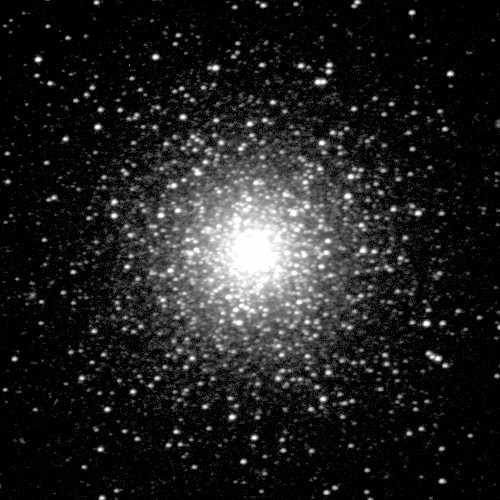
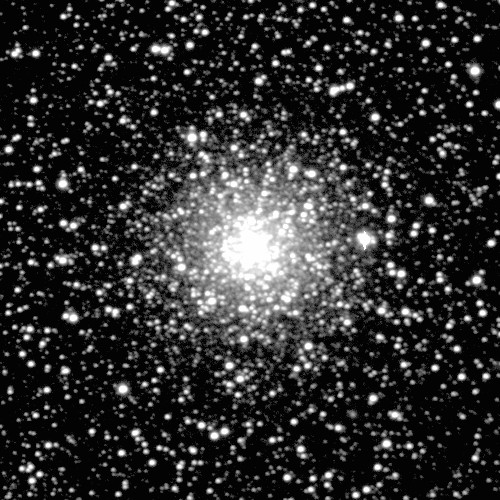
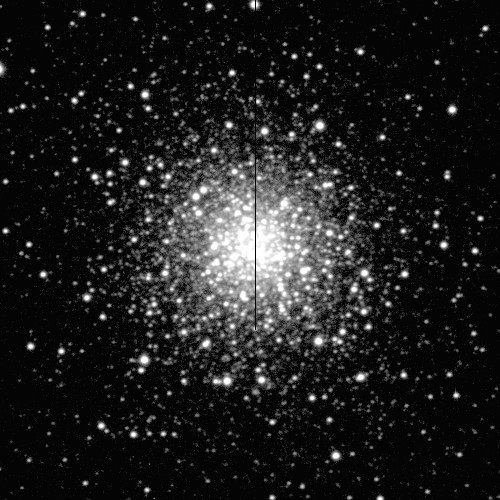
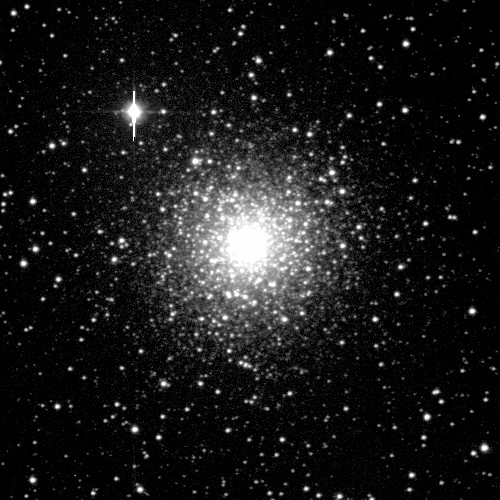
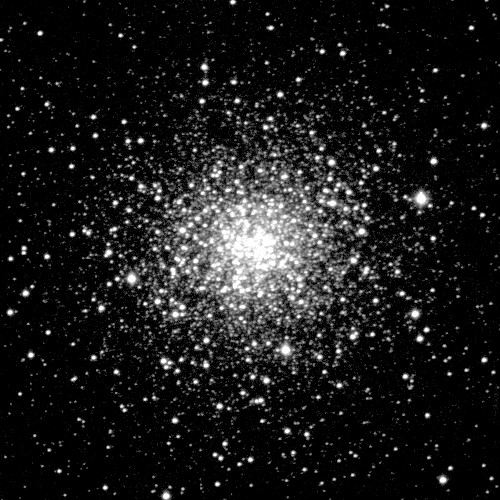
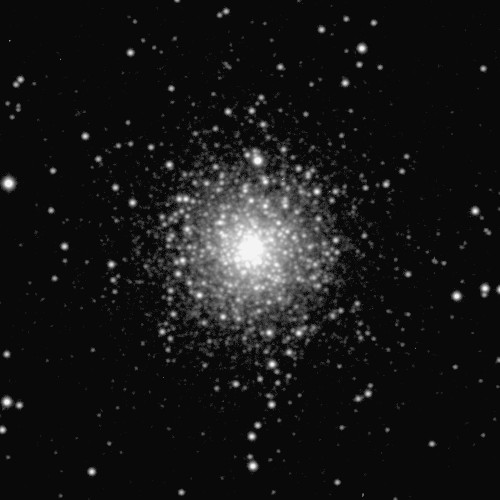
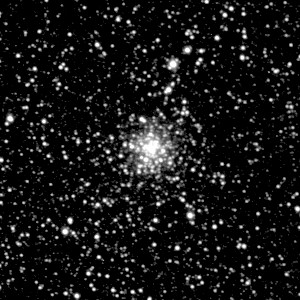
Globular Clusters
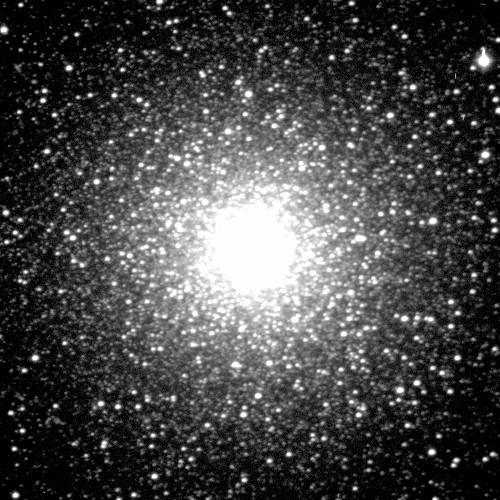
These are globular clusters, very dense concentrations of stars in
our own galaxy. They make absolutely superb small-telescope objects,
but I find that in large telescope images like these, they tend to all
look basically the same, and not have nearly as much individual
character as galaxies. Mostly I took these to try and complete the
Messier list. Mostly are in the Washington M fitler,
with a couple in r and B'; pixel scale of 1.5 arcsec/pixel.
M3
|
M4
|
M5
|
M9
|
M15
|
M19
|
M22
|
M53
|
M56
|
M68
|
M80
|
M107
|
M79
|
NGC6642
|
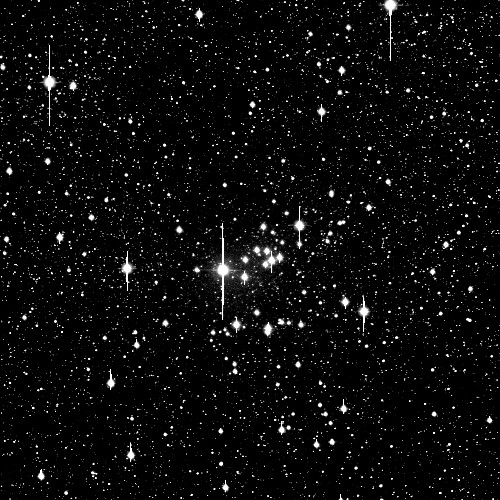
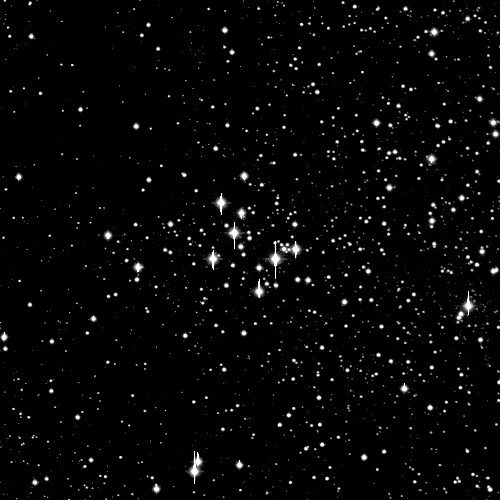
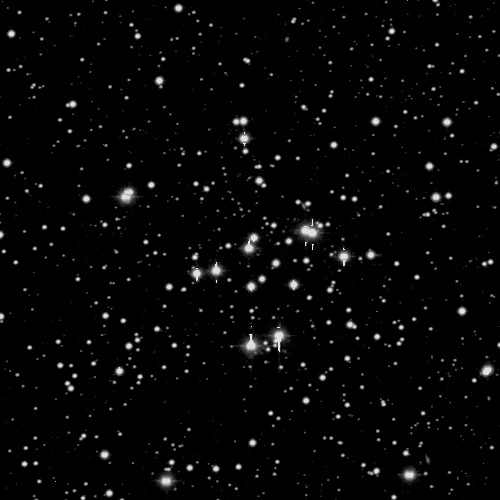
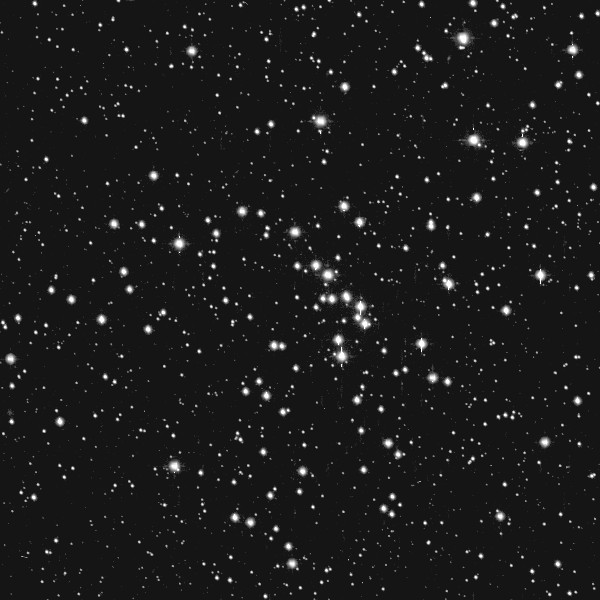
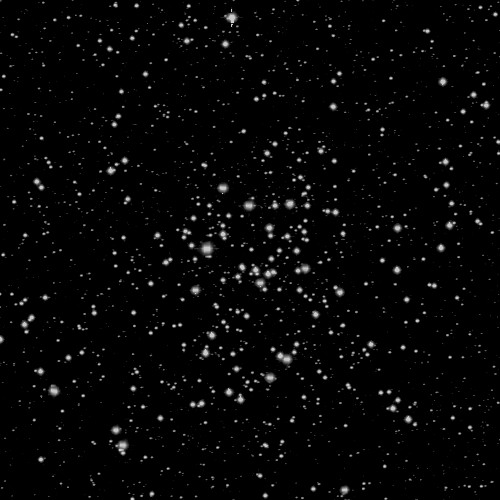
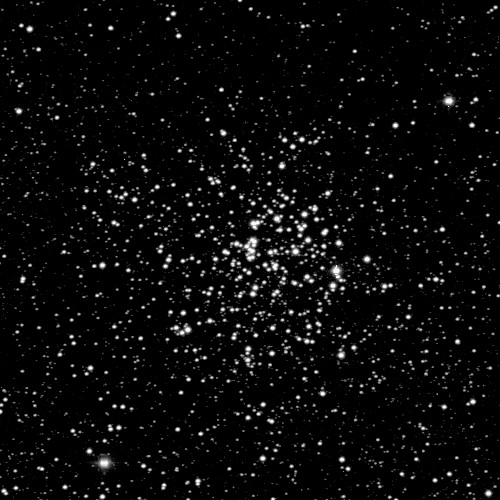
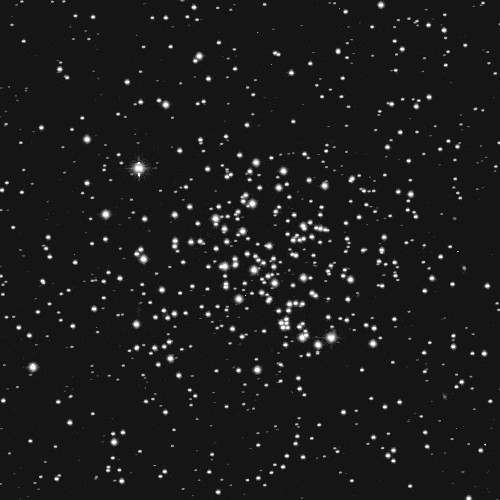
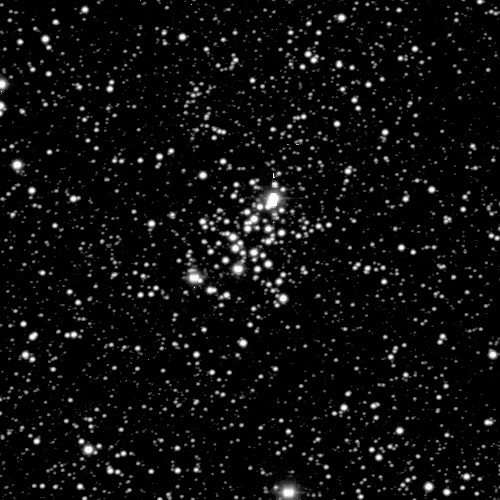
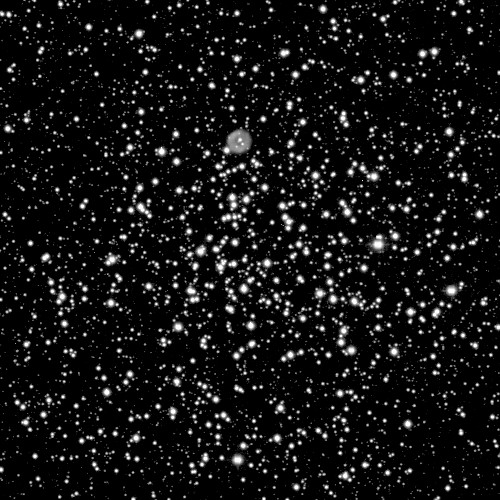
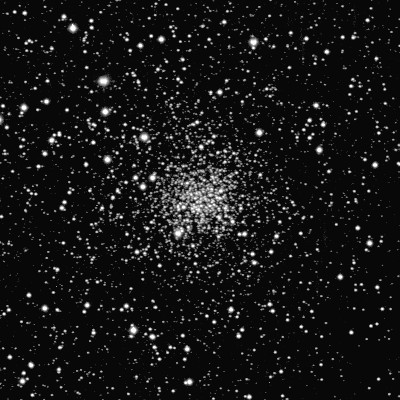
Open Clusters
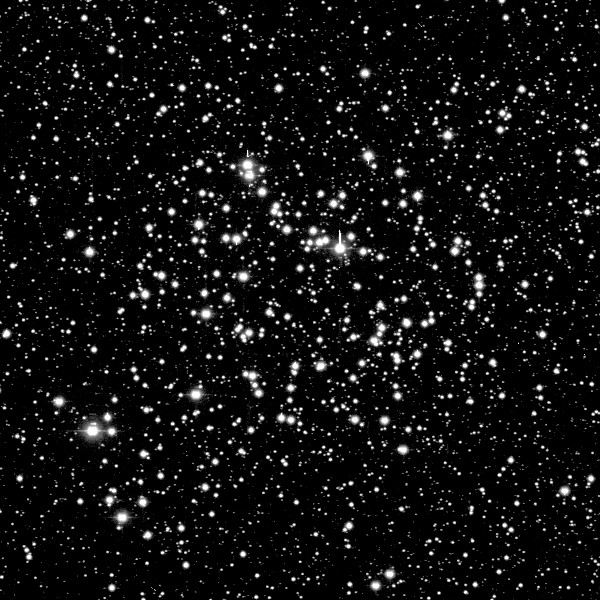
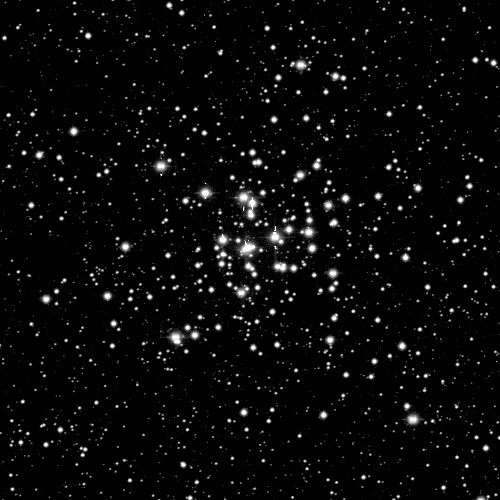
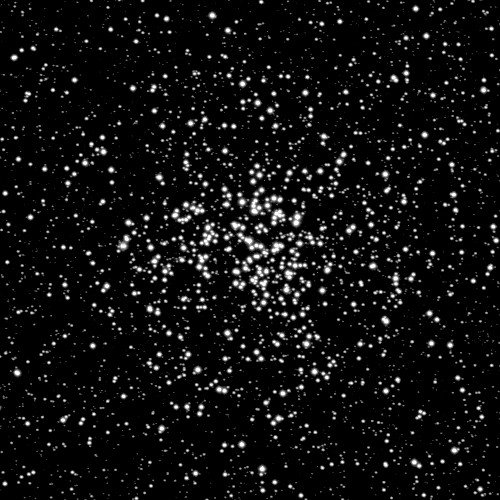
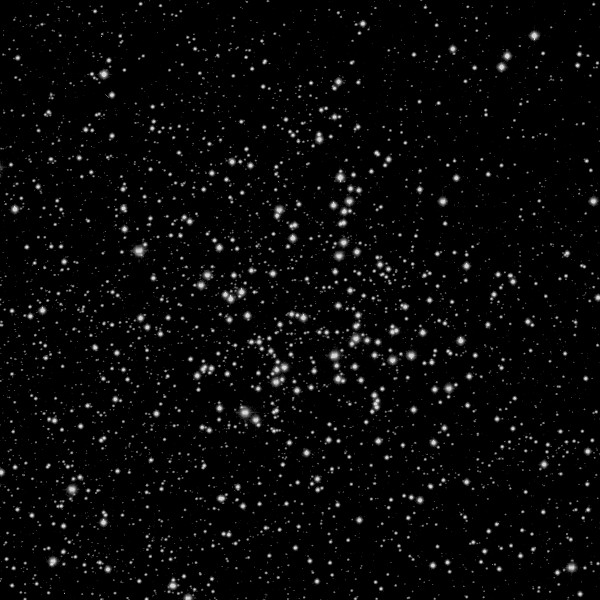
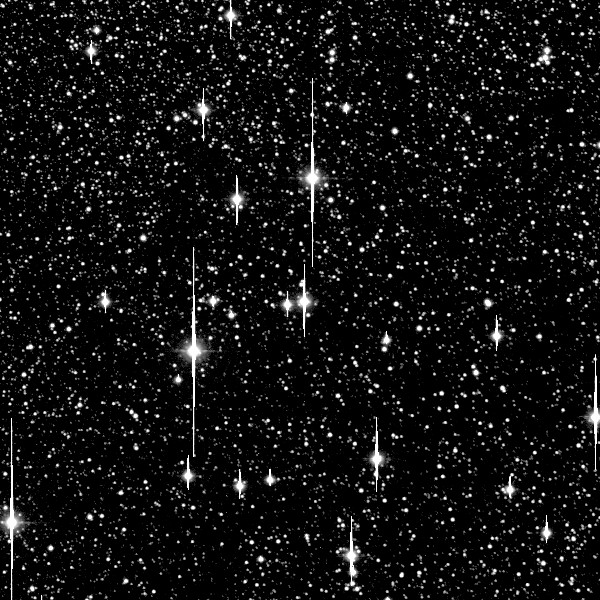
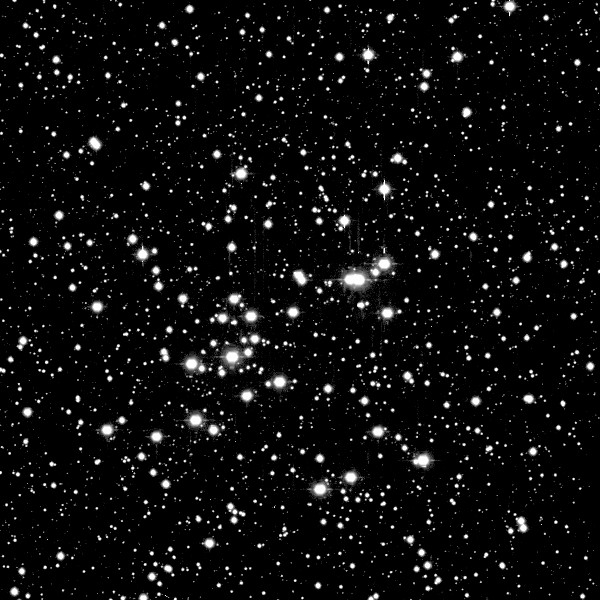
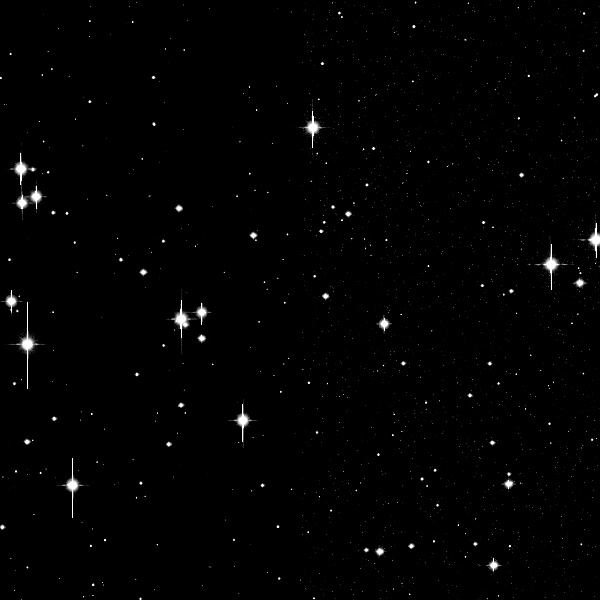
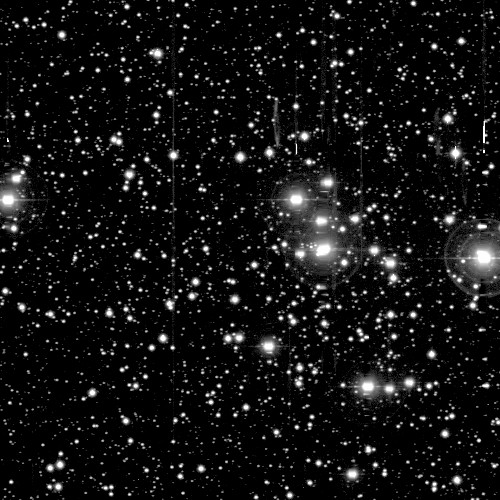
Open Clusters are smaller groups of stars in our galaxy, usually
fairly young stars that all formed together. They tend to be decent
binocular and small telescope objects, but really make pretty boring
images from a big telescope like the Schmidt. Oh well, I am trying to
complete the Messier list. Washington M and B'; 3 arcsec/pixel.
M25
|
M29
|
M34
|
M35
|
M36
|
M37
|
M38
|
M39
|
M41
|
M44, Beehive Cluster
|
M47
|
M48
|
M50
|
M52
|
M67
|
M103
|
M46
|
NGC2185
|
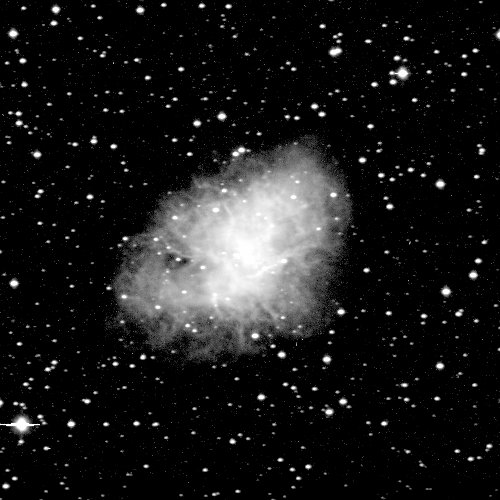
Other Objects
These are a few other types of objects, mostly from the Messier
list, that I took for a little variety and to try to complete the
list. Again, these are mostly in the Washington M fitler, with a
couple in r and B'; pixel scale of 1.5 arcsec/pixel.
M1, The Crab Nebula, supernova remnant
|
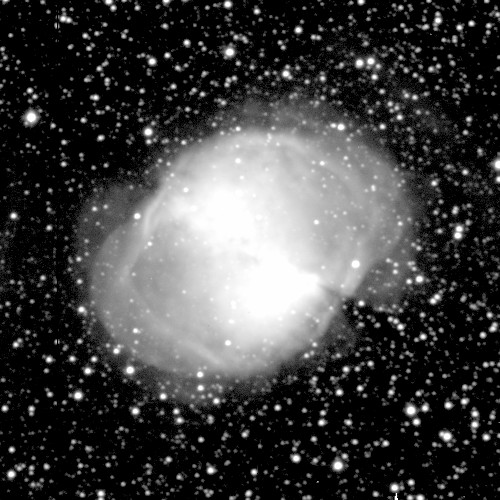
M27, The Dumbell Nebula, planetary nebula
|
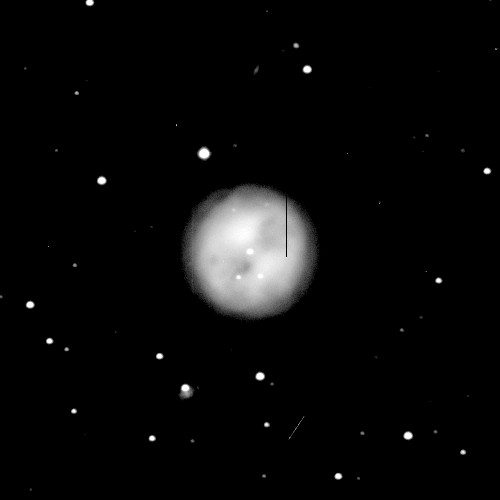
M97, The Owl Nebula, planetary nebula
|
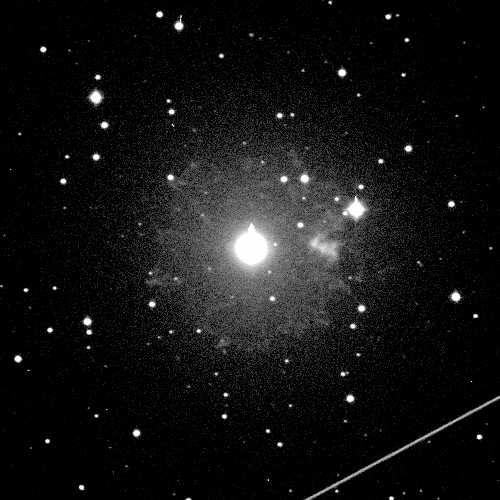
NGC6543, Cat's Eye Nebula, planetary nebula
|
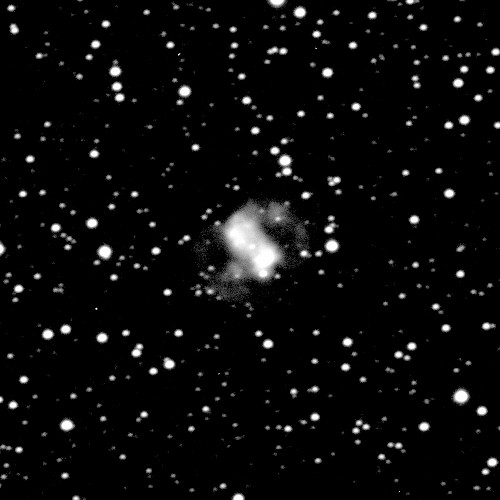
M76, Little Dumbell Nebula, planetary nebula
|
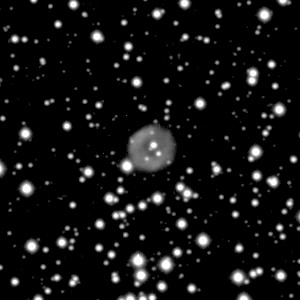
NGC2438, planetary nebula (actually inside the open cluster M46)
|
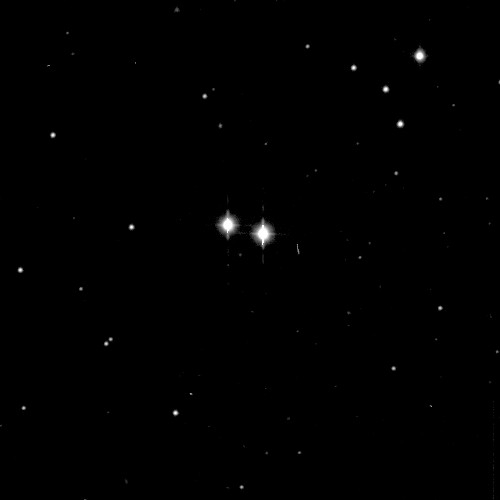
M40, double star. That's right, Messier actually has a stupid boring
double star on his list. But I took it for completion's sake.
|
Iris
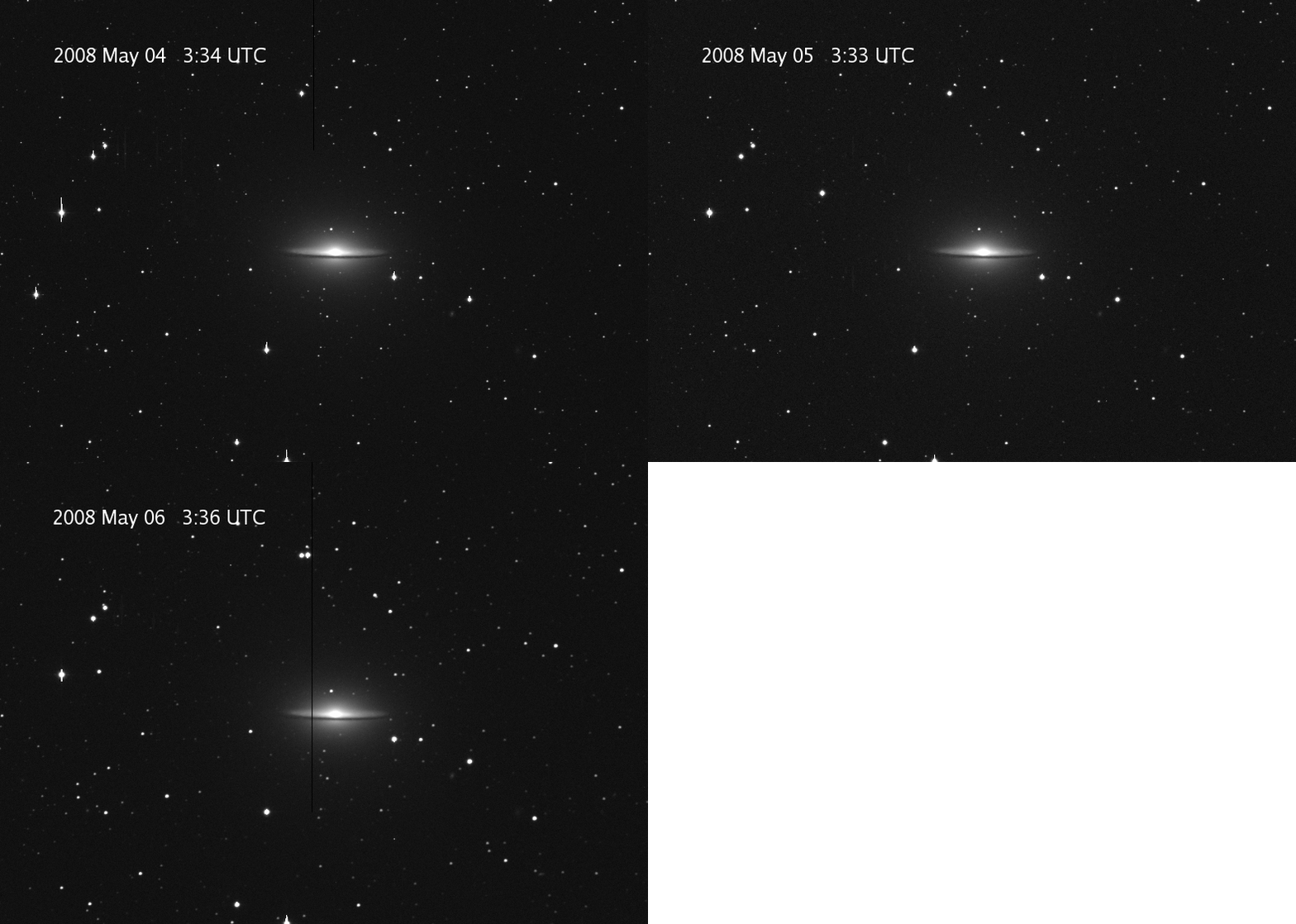
While at the Schmidt in May of 2008, one of the Case undergrads,
Steven Janowiecki, told
me about and interesting event, where a relatively large asteroid,
Iris, was passing
right next to the galaxy M104. So each night for three consecutive
nights, I took an image so we could track the asteroid's movement.
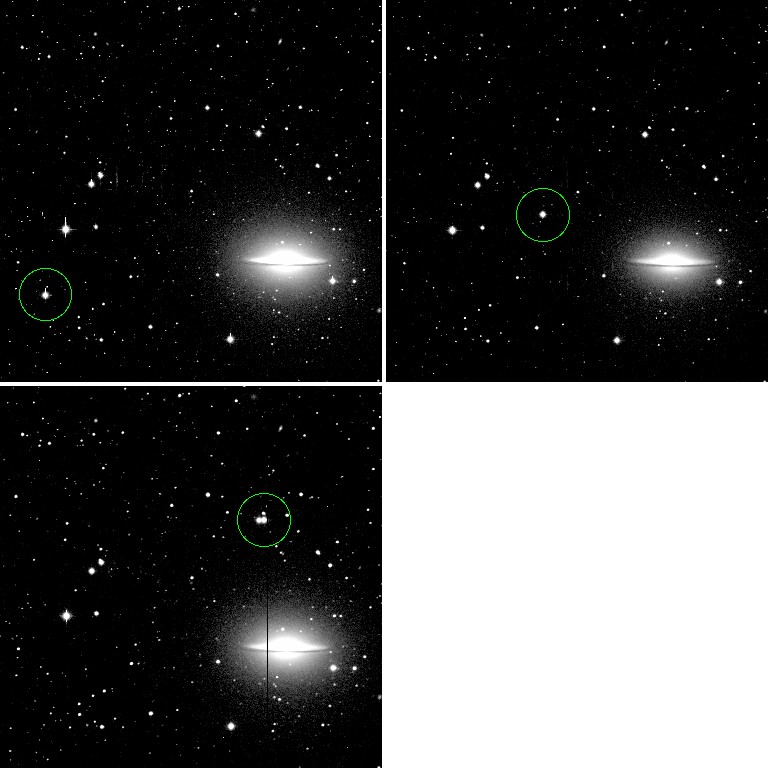
Steven put together this animaged gif.
Created by Craig Rudick, 2006.
Last modified 04/03/09.